Bring DC charging to workshops, fleets and service vehicles.
Compare V2V20 for vehicle-to-vehicle energy transfer with MOB7 for portable DC charging from a suitable workshop outlet.
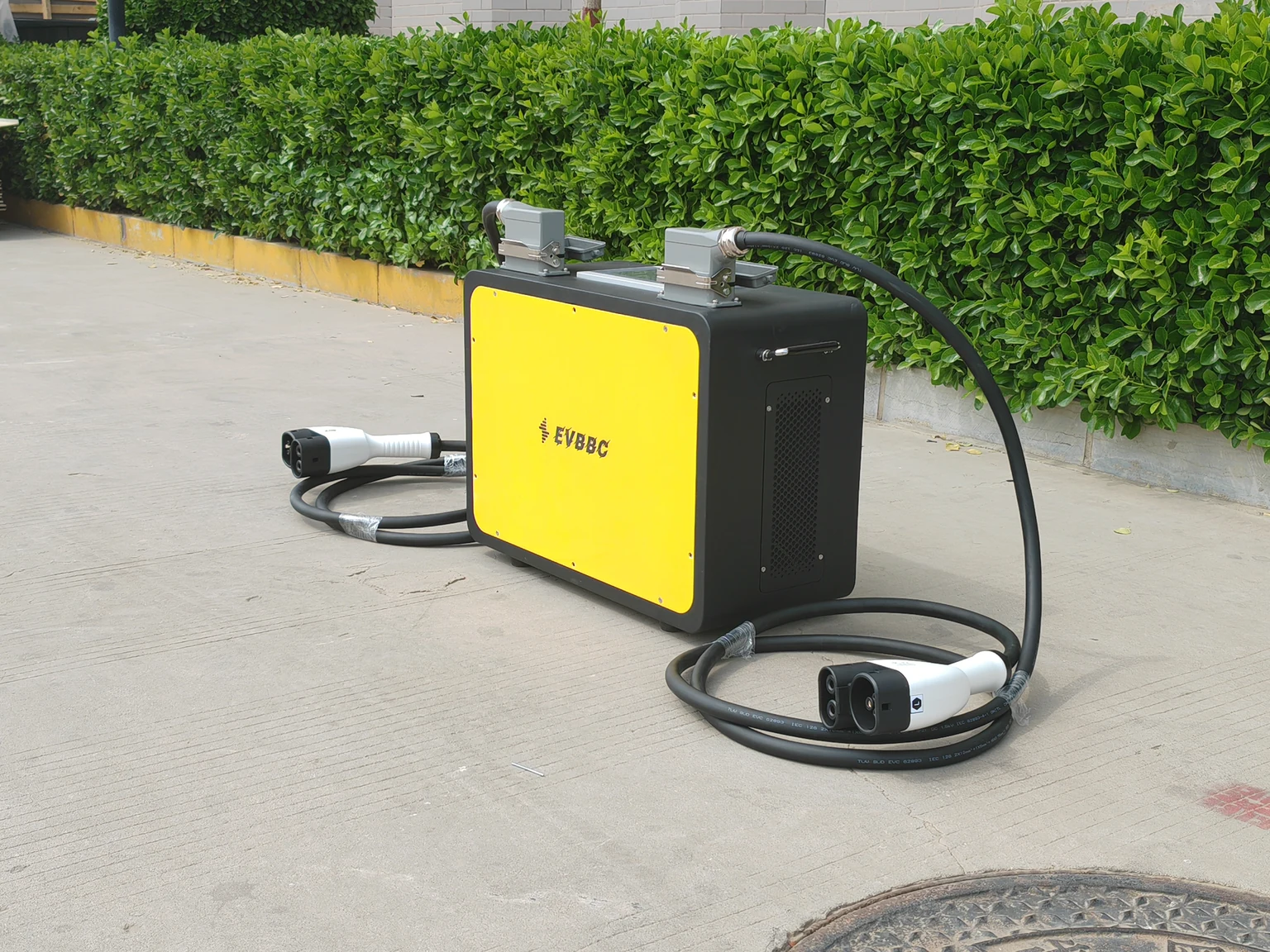
Request price and availability
Your selected product is attached automatically. Add only what you already know.
Use mobile charging when the operating task moves more often than the charging bay.
Use mobile charging in a clearly marked work area with compatible vehicles, protected cables and a trained operator.
Fleet service support
Plan a controlled energy-transfer path for fleet vehicles that need a service top-up outside a fixed charging lane.
Workshop and vehicle handover
Support diagnostics, preparation or delivery work where one trained operator controls connection and shutdown.
Temporary site operations
Screen a portable charging path for short-term projects before committing to permanent civil and electrical work.
Roadside service planning
Define vehicle position, traffic separation, dry placement, cable reach and operator procedure before the equipment is dispatched.
Start with how mobile energy reaches the recipient vehicle.
Compare the mobile energy paths below. V2V20 covers vehicle-to-vehicle DC transfer, while MOB7 covers portable DC charging from a suitable AC supply.
Vehicle-to-vehicle DC transfer
View scope details
- Energy path
- Energy from one compatible donor EV
- Operating role
- Two-vehicle, two-cable transfer under a controlled operating sequence
- Vehicle connection
- Donor and receiving-vehicle connector pair fixed together
Open the V2V20 page for its 20 kW electrical range, dimensions and two-vehicle compatibility inputs.
Protected-supply portable DC
View scope details
- Energy path
- Energy from a suitable protected AC supply
- Operating role
- Portable service charger used with a suitable supply and controlled work zone
- Vehicle connection
- Supply input and vehicle connector confirmed as one configuration
Open the MOB7 page for its 7 kW electrical range, dimensions, input needs and vehicle connector choices.
40 kW mobile DC charger
View scope details
- Energy path
- 40 kW DC charging matched to a suitable 400/480 V AC three-phase supply
- Operating role
- Wheeled air-cooled DC unit for a controlled operating area
- Vehicle connection
- CCS1, CCS2, CHAdeMO or GB/T cable arrangement selected in the quote
Share supply protection, connector, cable reach, mobility controls and operating workflow so we can match the 200–1000 V DC output configuration.
Inspect the portable enclosure and two-cable layout.
This second original photograph supports discussion of ventilation, emergency stop, cable exit and equipment placement.
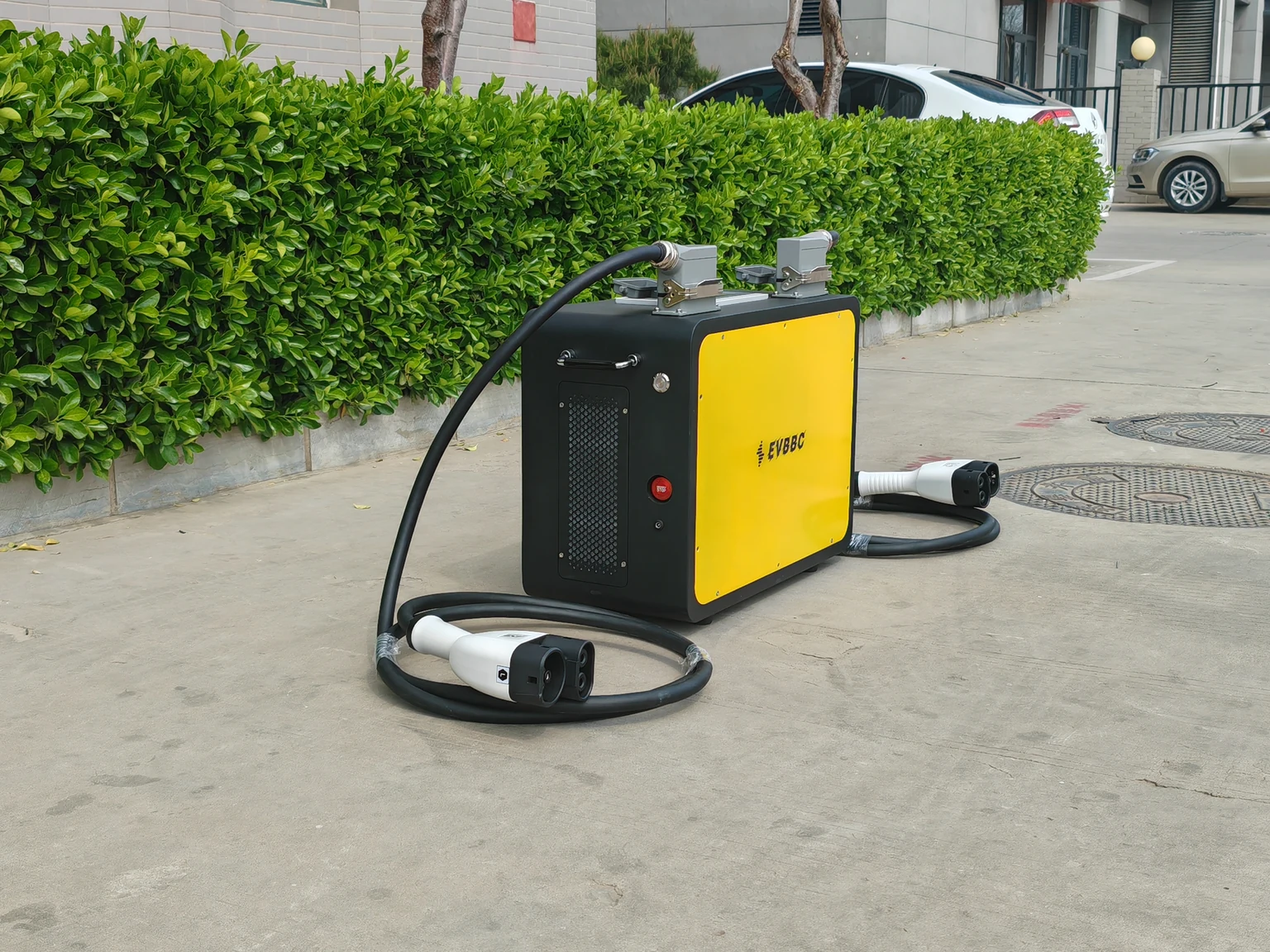
Side view for enclosure, cable-route and controlled placement discussion.
Original EVBBC V2V20 product photograph for enclosure and cable-layout discussion. Vehicle compatibility is matched from both vehicles and their charging data.
Compare V2V20 and MOB7.
Open each model page for dimensions, electrical ranges, connector choices and the information needed for a matched quotation.
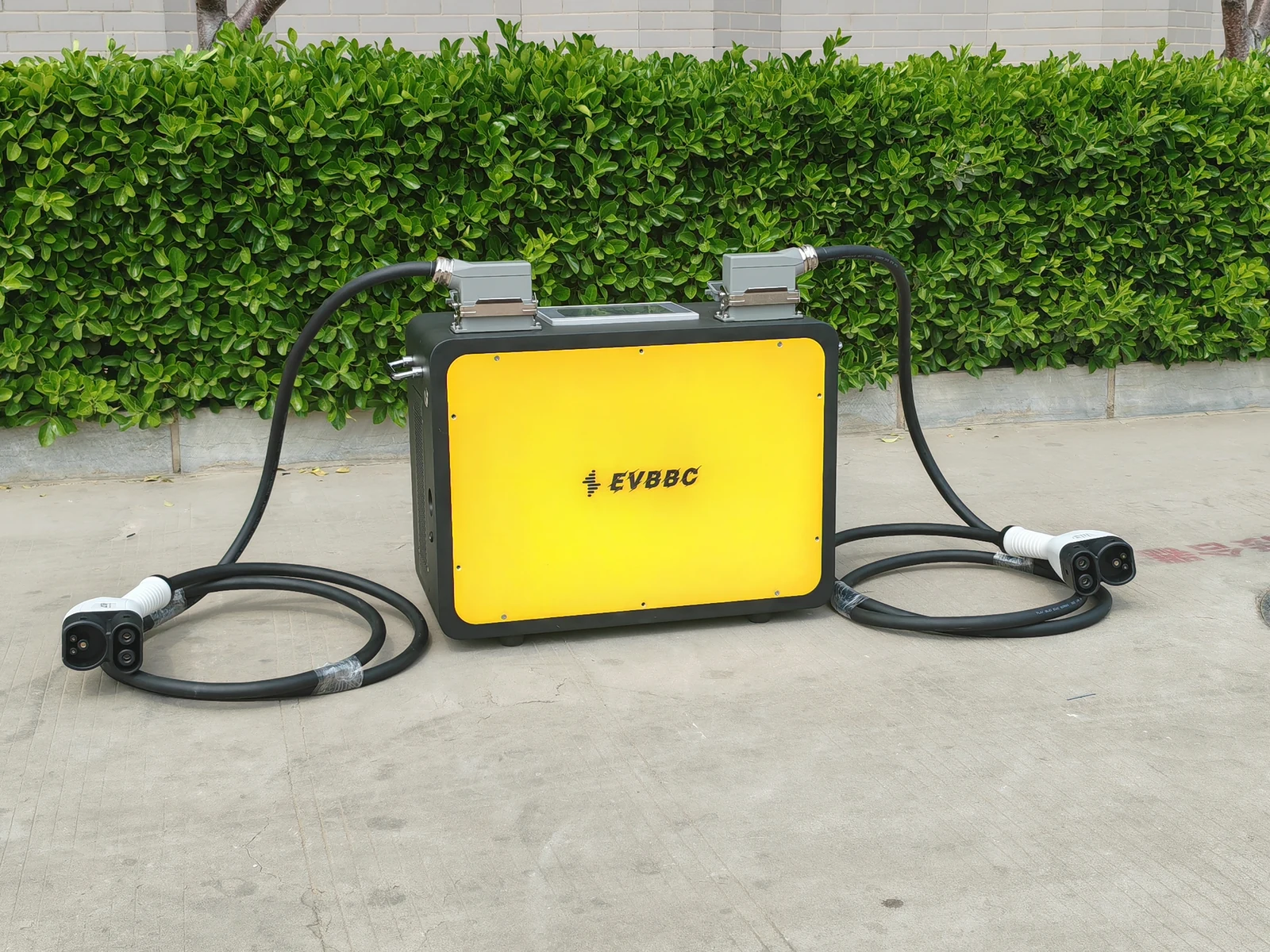
V2V20 20 kW vehicle-to-vehicle DC charger
See the donor and receiving-vehicle DC ranges, dimensions, shown CCS2 cable pair and the inputs needed for a matched quote.
- 20 kW DC transfer
- 550 × 260 × 400 mm
- Represented CCS2 / CCS2 cable pair
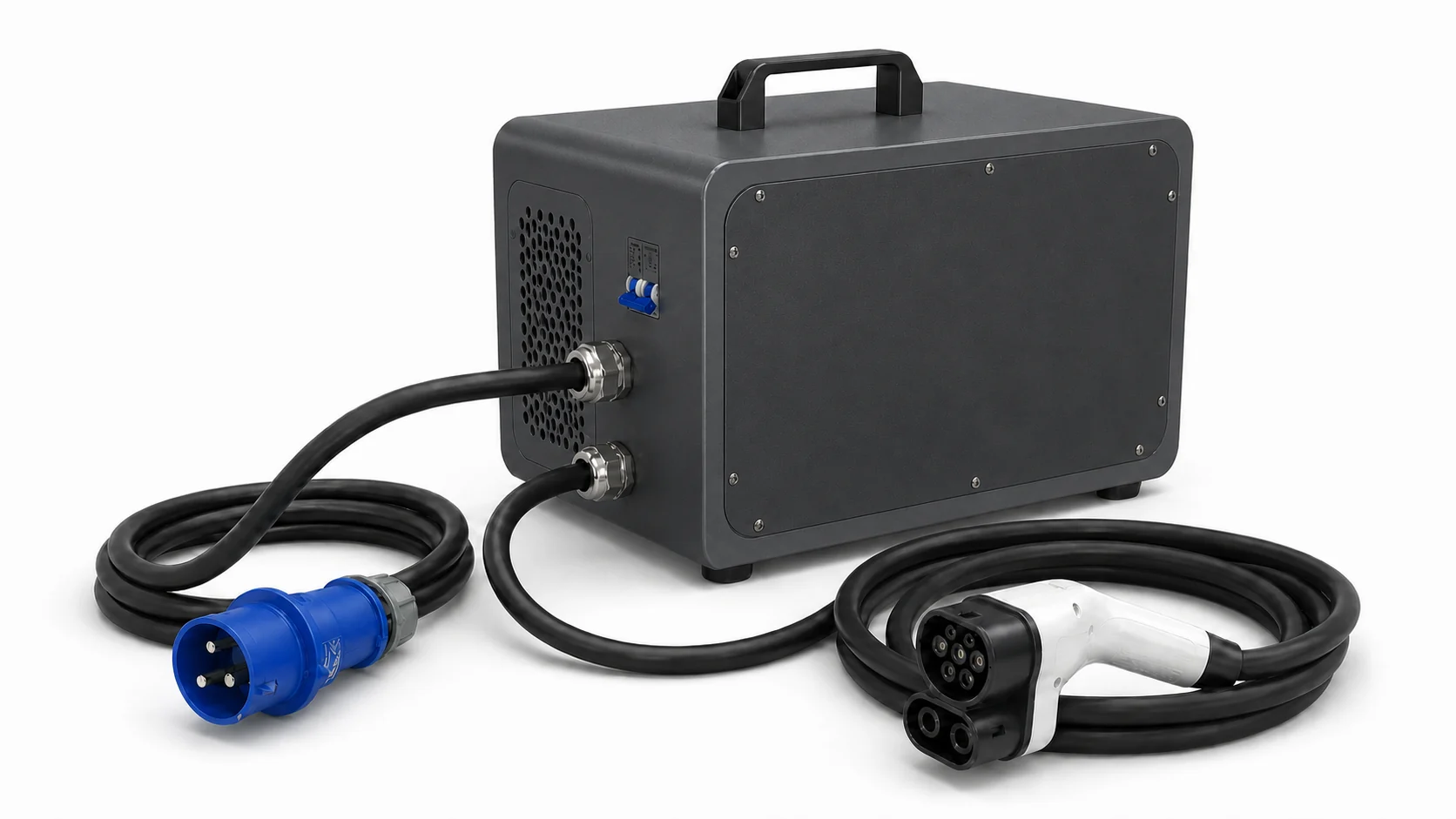
MOB7 7 kW portable DC EV charger
See the workshop supply, vehicle charging range, compact dimensions and connector choices before requesting a quotation.
- 7 kW DC charging class
- 480 × 270 × 250 mm
- Vehicle connector selected for your project
The donor vehicle and receiving vehicle must be confirmed as one pair.
The shown V2V20 unit uses CCS2 at both ends. A matching connector shape alone does not confirm donor discharge, recipient charging, protocol or firmware compatibility.
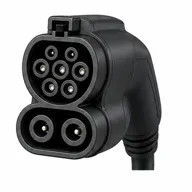
CCS2
Europe / global
Send both vehicle makes, models, battery-voltage data, charge or discharge documents and photos of both inlets. We match the cable pair and software version to the selected vehicles.
Pair mobile charging equipment with the right field-service and fixed-site software.
Use the dispatch platform for mobile jobs, and the charging management platform for routine fixed-site operations.
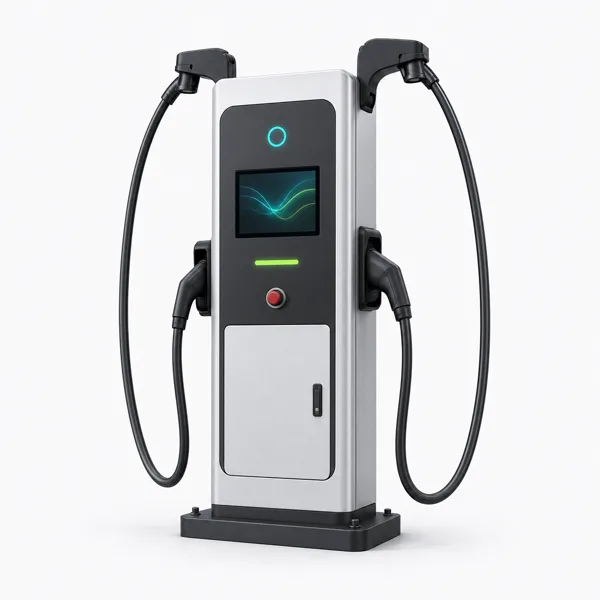
Commercial DC fast charging
Use fixed DC charging for repeat daily service and reserve mobile equipment for exceptions and temporary tasks.
See how it fits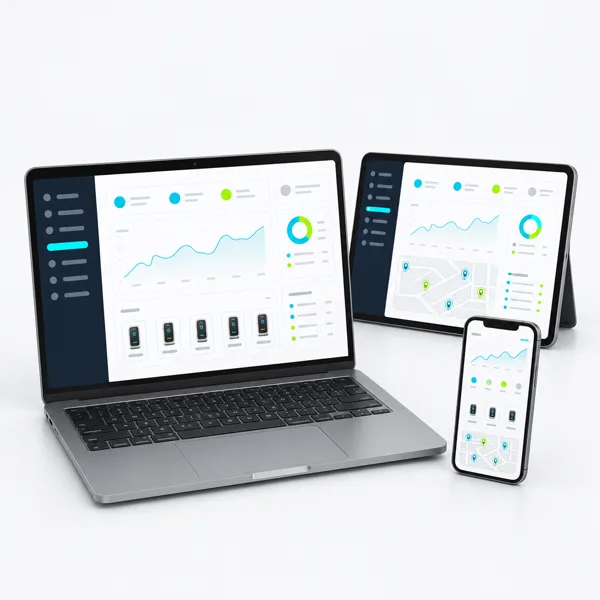
Mobile charging dispatch platform
Coordinate customer requests, service vehicles, field teams, charging jobs and completion records.
See how it fits Charging management platform
Run fixed-site charger access, sessions, fees, alerts and reports beside the mobile service workflow.
See how it fitsSend the vehicle details, power source and work-area layout.
Match the exact interfaces, work zone and operating steps before using a mobile charger as a service tool.
- Donor vehicle make, model, inlet and documented discharge capability
- Receiving vehicle make, model, inlet and DC charging window
- Required energy transfer, response window and expected operating duty
- Connector pair, cable lengths, parking geometry and protected cable route
- Work-zone conditions, traffic separation, weather conditions and trained operator role
- Destination documents, packing, delivery, warranty, spare parts, logs and support
Get the right information at each buying step.
Download the worksheet, add the vehicle pair, cable plan and service workflow, and receive a matched mobile-charging package.
Commercial EV charging project worksheet
Share the vehicles, energy need, destination, operating site and timeline needed for a useful mobile-charging proposal.
PDF · 2 pages Download the worksheetSelected mobile-charging configuration sheet
Lists the selected model, available power, donor and recipient vehicles, connector pair, cables, firmware, operating sequence and destination documents.
Project configuration pack Add this scope to my quoteMobile service operating and handover pack
The confirmed order controls packing, delivery, operating guidance, warranty, spare-parts, logs, diagnostics and support documents.
Included with your confirmed order Plan my handover packUse the worksheet to share both vehicles and receive one coordinated scope for compatibility, equipment, operating steps, documents and commercial terms.
Answers before you select a mobile EV charging path.
What does mobile EV charging mean on this site?
It means equipment brought to a controlled service or temporary charging task. V2V20 transfers energy from a compatible donor EV; MOB7 uses a suitable AC supply for portable DC charging.
Is the V2V20 the same as a grid-connected V2G charger?
V2V20 transfers DC energy directly between two compatible EVs. Choose a separate grid-connected product for building or utility energy return.
Does a CCS2 plug confirm that any CCS2 vehicle can donate energy?
Connector shape is one interface only. Donor discharge support, receiving-vehicle charging support, protocol, firmware and operating limits are confirmed for the named vehicle pair.
Can the equipment be used for roadside service?
For roadside use, share the vehicle position, traffic separation, placement, cable route, operator workflow and destination so the package fits the real operating site.
Which mobile EV charger models can I compare now?
V2V20 covers vehicle-to-vehicle DC transfer and MOB7 covers portable DC charging from a suitable AC supply. Each model page lists dimensions, electrical ranges, connector choices and quote inputs.
What should I send for a useful quotation?
Provide both vehicles, their documented charge or discharge capabilities, target energy transfer, response window, destination, work-zone photographs, cable-reach needs and project timing.
Check connectors, fixed charging and delivery next.
Turn a mobile service task into a clear vehicle and power brief.
Share the vehicle identities, energy target, cable reach, destination and operating context so we can match V2V20 or MOB7.
Receive one clear package covering the selected model, interfaces, operating steps and commercial scope.