Know every payment and shipping handoff before you place the order.
Build one written chain from the selected equipment to the final receiving point. Put the payment route, production milestones, Incoterms® rule, documents and receiving responsibilities in the quotation and order.
Build my delivery brief
Currency, beneficiary, milestone triggers and payment route are confirmed before funds move.
The quotation states the Incoterms® rule, year and named handoff point—not only “FOB” or “CIF”.
The importer or customs broker confirms the required documents before dispatch.
Treat the order as five connected handoffs: scope, payment, production, transport and receipt.
Do not compare a deposit percentage or a three-letter shipping term in isolation. First define the exact equipment and destination. Then confirm the payment method and milestones, Incoterms® rule and named place, import responsibilities, document pack and arrival procedure in writing.
- 01
You already control freight and import: define the supplier handoff at an exact named place and align it with your nominated forwarder.
- 02
You want the supplier to arrange main international transport: confirm the destination, transport mode, freight and insurance scope, the point where shipping risk moves to the buyer and destination charges in writing.
- 03
You need delivery beyond the port: confirm importer, customs, tax, unloading and last-mile responsibilities before comparing delivered prices.
Write every handoff before releasing the order.
A complete brief lets the buyer, supplier, bank, forwarder and customs broker work from the same project scope.
- 01
Freeze the equipment and parties
List models, power, ports, connectors, quantities, accessories, software and spare-parts scope. Record the legal buyer, billing party, consignee, importer and final destination.
- 02
Set payment and production milestones
The quotation or order states the currency, beneficiary, bank charges, milestone amount or percentage, and what starts production, inspection and dispatch.
- 03
Fix the delivery responsibility
State the exact Incoterms® rule, edition and named place or port. Separately assign freight booking, insurance, export and import clearance, duties, taxes, destination handling, unloading and inland delivery.
- 04
Agree the inspection and shipping documents
Set the production-ready window after the configuration is approved. Agree the inspection records and destination document list, then ask the importer or broker to check clearance requirements before dispatch.
- 05
Dispatch, receive and record exceptions
Reconcile the commercial invoice, packing list, package marks and transport reference. At arrival, inspect packaging and quantities and follow the agreed damage or shortage process before installation.
Separate the payment trigger from the transport handoff.
What must happen before the next payment
A milestone connects a payment to a written event such as order confirmation, accepted inspection records or dispatch documentation. The actual method, amount and trigger apply only when confirmed in the quotation or order.
The handoff map for transport cost and risk
It identifies delivery responsibilities around an exact named place and rule edition. Payment schedule, product acceptance, ownership, warranty and destination charges still require separate contract wording.
Confirm these seven details in writing.
Your quotation and project schedule will state the final price, payment method, lead time and delivery responsibilities after the destination details are confirmed.
Decide who books freight, clears customs and receives the equipment.
The right delivery route depends on who controls international transport, import clearance and final receiving.
Buyer-nominated forwarder
- Buyer situation
- The buyer or importer already has a freight contract and customs broker.
- Practical starting point
- Define the exact supplier handoff point and collection process with the nominated forwarder.
- Confirm before ordering
- Loading, export clearance, origin charges, booking, insurance, pickup window and collection documents.
Supplier-arranged ocean freight
- Buyer situation
- The buyer wants the supplier to book the main sea shipment to a named port.
- Practical starting point
- Compare the appropriate sea-transport rule against one exact destination port.
- Confirm before ordering
- Delivery and risk-transfer point, insurance, origin and destination charges, import clearance and inland movement.
Supplier-arranged delivery using more than one transport type
- Buyer situation
- The shipment must move by a combination of sea, road, rail or air to a named inland point.
- Practical starting point
- Use a rule suitable for the transport mode and state the exact delivery place.
- Confirm before ordering
- Main carriage, insurance where applicable, customs, duty and tax, unloading, appointment access and final-mile responsibilities.
Storage, special handling or split cargo
- Buyer situation
- Battery storage, oversized equipment or several shipment lots must reach the project in sequence.
- Practical starting point
- Create a separate cargo and document plan for each shipment type and installation stage.
- Confirm before ordering
- Applicable dangerous-goods classification, packaging documents, lifting access, container plan, partial shipments, storage and commissioning dependencies.
Four written layers keep commercial and logistics scope aligned.
Keep commercial terms, delivery responsibilities, shipping documents and arrival checks in one written order path.
Commercial agreement
Scope + currency + payment route Listed in your quotationIdentifies buyer and seller, goods, quantities, inclusions, exclusions, payment milestones and conditions for starting production or dispatch.

Delivery responsibility schedule
Rule + named place + edition Listed in your orderAssigns carriage, insurance, export and import activity, destination charges, unloading and final receiving responsibilities.
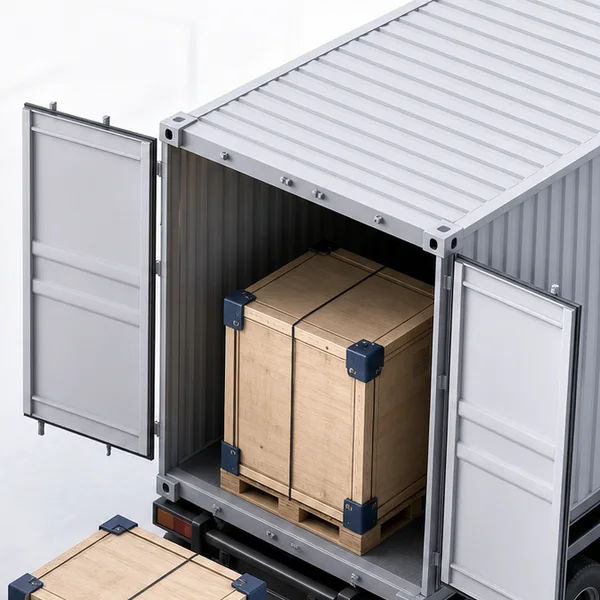
Shipment document pack
Invoice + packing list + transport record Matched to the destinationAligns cargo description, quantity, value, package count, weights and transport references with destination requirements.
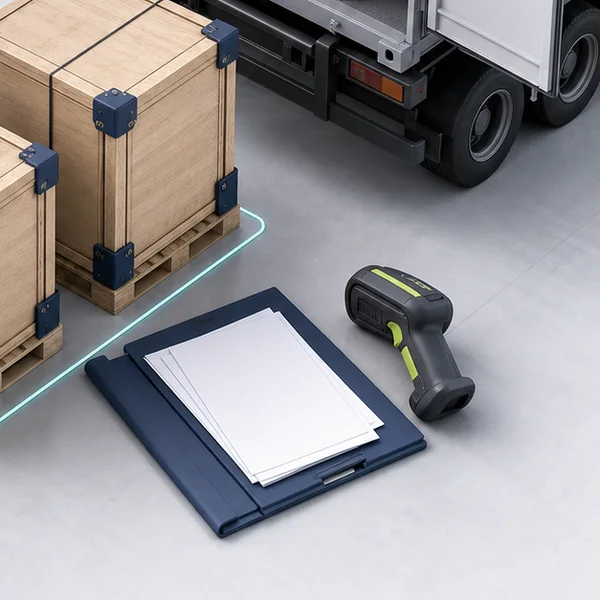
Arrival and handover record
Inspection + exceptions + project handoff Specified in your quotationDefines receiving checks, damage or shortage notice, installation handoff, warranty scope and agreed spare-parts scope.

Send the details that prevent payment and shipping assumptions.
You do not need every item to start. More site data gives you a more accurate equipment and scope quotation.
- Legal buyer name, billing address and required invoice registration details
- Consignee, importer of record, customs broker and receiving contact
- Destination country, exact named port or place, and final site address
- Equipment models, ratings, ports, connectors, quantities, accessories, software and spare parts
- Destination voltage, vehicle compatibility and applicable certification documents
- Required-on-site target date plus installation and commissioning dependencies
- Preferred payment currency and method, including bank or compliance requirements
- Proposed payment milestones for order confirmation, production, inspection and dispatch
- Buyer- or supplier-nominated forwarder, transport mode and booking contact
- Incoterms® rule, edition, named place, freight, insurance, customs, duty, tax, unloading and inland-delivery split
- Required document names, copies, language, legalization, origin and conformity requirements confirmed by the importer or broker
- Pre-shipment documents, package marks, serial list, arrival inspection, receiving access and damage or shortage notice process
Answers before you send payment or dispatch freight.
01 What payment methods are available for an international charger order? +
Available methods depend on the contracting entities, currency, banking requirements, order details and commercial terms. Use only the method, beneficiary, charges and milestone schedule stated in your quotation or order.
02 Do I need to pay a fixed deposit percentage? +
There is no public universal percentage. The quotation states the amount or percentage, due point and the event that starts the next stage of the order.
03 How should I verify payment instructions? +
Match the beneficiary and account details to the written commercial documents. Verify any changed bank instruction through a previously confirmed contact path before sending funds.
04 What do EXW, FCA, FOB, CIF, DAP and DDP change? +
They allocate defined seller and buyer obligations, costs and risk around a named place under the selected Incoterms® edition. They do not by themselves define the payment schedule, product acceptance, title transfer, warranty or every local charge.
05 Is international shipping included in the charger price? +
Only when the quotation states the Incoterm, named place, transport scope and included charges. Origin handling, insurance, destination handling, customs, duties, taxes, unloading and inland delivery should be shown separately or assigned in writing.
06 Who handles customs clearance, duties and taxes? +
The selected delivery rule and order assign commercial responsibility, while destination law determines the actual customs process. The importer or its broker should confirm classification, permits, duties, taxes and local clearance requirements.
07 Which shipping documents will I receive? +
A typical project may use a commercial invoice, packing list and transport document. Origin, conformity, insurance, inspection or other destination-specific documents are included only when confirmed for the order.
08 Can the equipment be inspected before shipment? +
The inspection method, documents, timing, acceptance criteria and any third-party participation are quotation-specific. They should be written into the order before they are used as a condition for the next stage.
09 How long will production and international delivery take? +
The production window is confirmed after configuration and order check. Transit depends on route, booking, carrier movement, customs, destination handling and other project conditions, so it should be shown as a dated project schedule rather than a global promise.
10 What should I do if cargo arrives damaged or incomplete? +
Preserve the packaging, record the condition and quantities, note exceptions with the carrier where applicable, and notify the agreed contacts under the order’s notice and timing requirements. Insurance and remedy paths depend on the confirmed shipment terms.
Official standards and planning references
- International Chamber of Commerce — Incoterms® 2020
- U.S. International Trade Administration — Know Your Incoterms
- U.S. International Trade Administration — Methods of Payment
- U.S. International Trade Administration — Letter of Credit
- U.S. International Trade Administration — Documentary Collections
- U.S. International Trade Administration — Common Export Documents
- U.S. International Trade Administration — Documents in an Export Transaction
- European Commission — Customs declaration
Build the product and destination brief before requesting freight terms.
Send the project summary to receive confirmed payment milestones, freight scope and delivery responsibilities.