WHAT IS IT?
One roadside job operating system.
Receive a request, match a suitable provider, track field status and retain completion proof in one job record.
Bring towing, vehicle recovery, winch-out, jump-start and mobile EV charging into one configurable request, dispatch and field-service workflow.
12.4 km · Riverside car park
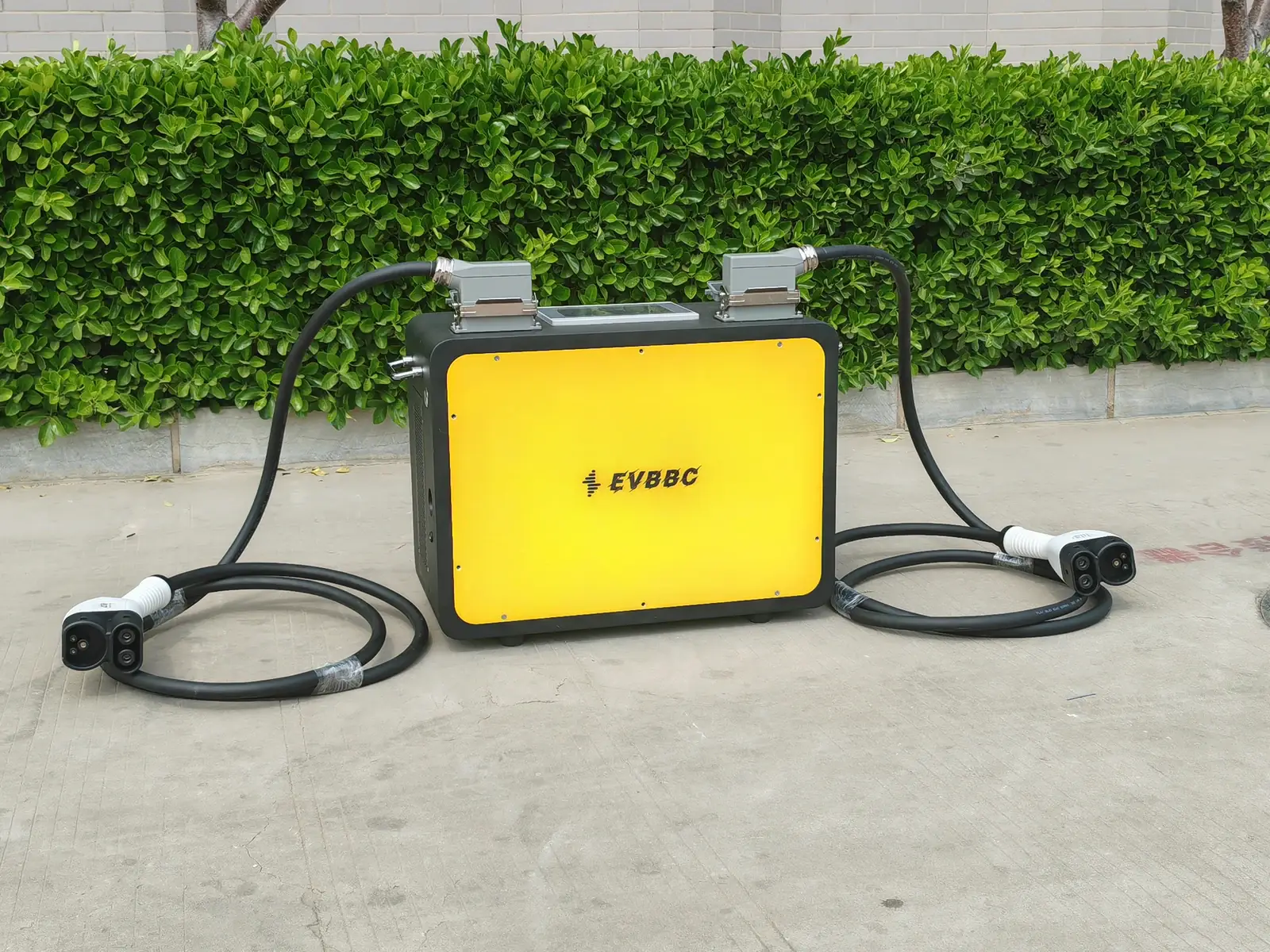 FIELD EQUIPMENT20 kW mobile DC
Configure the service catalogue while keeping one operational job lifecycle.
Direct answers for buyers comparing a dispatch product, a branded app package and service-specific workflows.
Receive a request, match a suitable provider, track field status and retain completion proof in one job record.
Roadside networks, towing and recovery operators, fleet-support teams and mobile EV charging businesses.
A customer request experience, a field-provider app and an operations Web console connected by the same workflow.
Intake fields, equipment, assignment, pricing, payment, integrations, service proof and exception handling are confirmed before launch.
Use one operating model for location, triage, assignment, arrival and proof. Configure the service details, required equipment and completion steps for each line of work.
 Illustrative operating model
Capture the vehicle, pickup point, destination and required unit, then follow assignment and arrival from the same job record.
Buyer intent: tow truck dispatch softwareScope winch-out and recovery jobs around scene information, provider capability, status updates and service proof.
Buyer intent: vehicle recovery management softwareBuild a configurable service catalogue for jump-start and other roadside jobs while the dispatcher keeps one map and queue.
Buyer intent: roadside assistance softwareMatch EV roadside requests with an appropriate charging resource and retain arrival, charging and completion records.
Differentiator: EV roadside assistanceThis matrix defines the information that should be confirmed for each service line.
Each role sees only the information needed to move a request forward, while the operations team keeps the complete status trail.
Driver shares location, vehicle and charging need.
Dispatch reviews eligible nearby service teams.
Provider navigates, confirms arrival and starts work.
Proof, payment status and timestamps stay with the job.
Review the request, compare service-team status and distance, then keep the same job visible through completion.
The motorist follows arrival, the field provider follows service steps, and dispatch sees exceptions across towing, recovery and mobile assistance.
20 kW portable DC charging
Location, service choice, arrival status and a clear contact path stay in one view.
Job details, customer contact, service steps and completion proof stay together.
Assignment, status changes and proof form a single operational timeline.
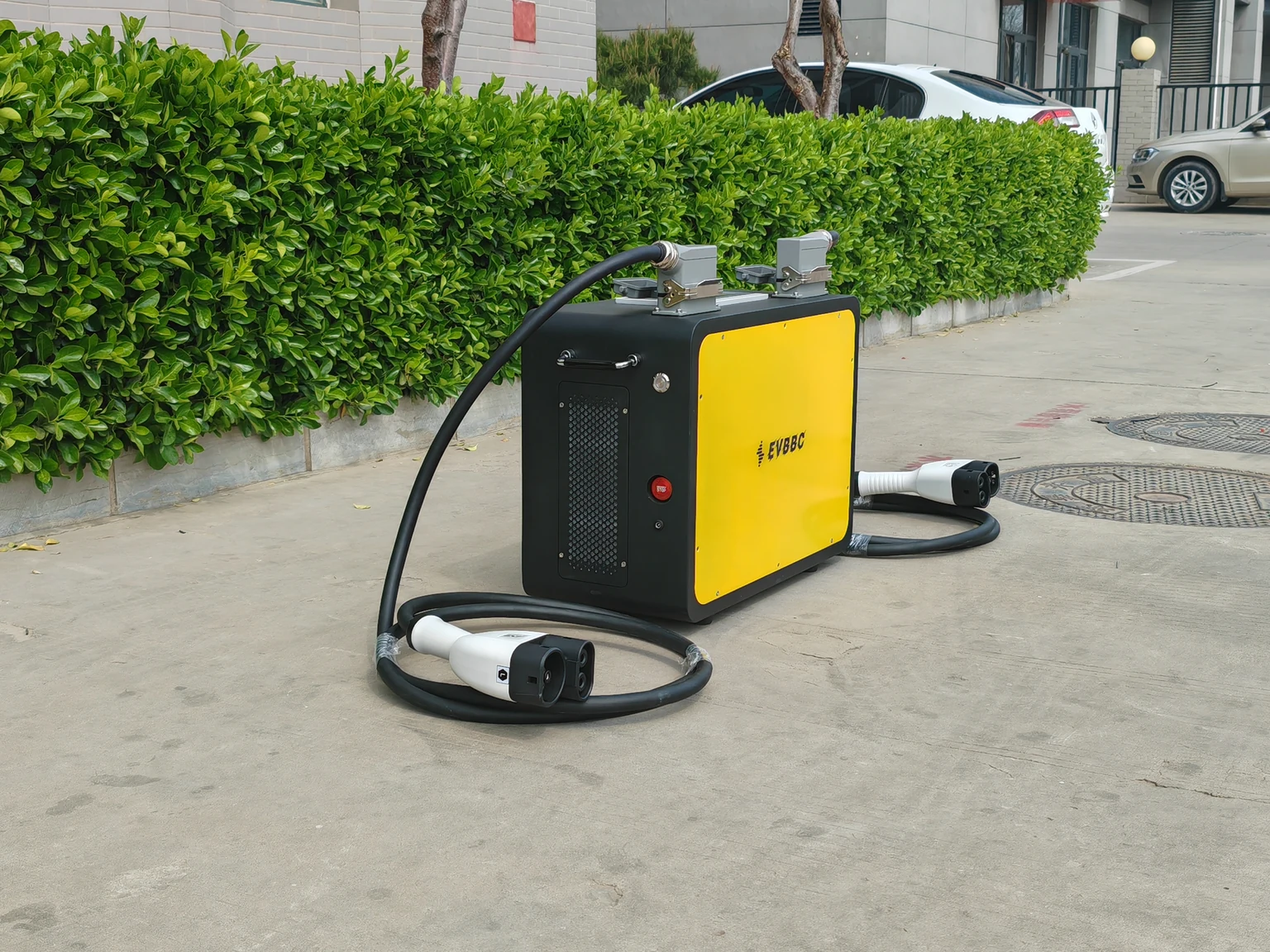 Connect the assigned service job to the named charging unit, connector pair, cable plan and operating team.
Associate service teams with charging equipment so dispatchers can review the request and send an appropriate mobile charging resource.
Brand, service catalogue, operating area, provider roles, pricing rules and payment requirements should be confirmed before a deployment plan is prepared.
Request a platform planBrand and channelsCustomer experience, provider app and operations portal.
Workflow configurationService types, assignment rules, statuses and completion proof.
Hardware relationshipDefine equipment, connectors and field-service responsibilities.
Integration reviewConfirm payment, messaging and existing-system requirements.
Use the existing platform foundation, then configure fields, rules and external services for your market.
Create one structured roadside service request.
Give operations a controlled assignment decision.
Keep customer, provider and operations on one case timeline.
Turn dispatch instructions into a guided field job.
Align the platform with the approved commercial workflow.
Close each job with an auditable business record.
The written scope separates existing platform modules, configuration work, custom development and third-party dependencies.
Confirm service areas, customer journey, provider process, admin controls, English terminology and white-label settings.
Configure the three interfaces, pricing, status, service records and settlement flow, then verify the agreed end-to-end cases.
Complete the agreed hosting, domain, app packaging, training, documentation and support handover for the selected market.
Start with the worksheet, then receive the dispatch configuration and operating handover documents for the selected package.
Share the service model, vehicles, power information, destination and timeline needed for a useful first proposal.
PDF - 2 pagesDownload the worksheet →Lists the customer H5 + App, driver or provider App, operations Web admin, English terminology, brand settings, roles, workflow, records and integrations included.
Project configuration packAdd this platform scope to my quote →The confirmed order covers the applicable onboarding, roles, enabled functions, operating steps, reporting, warranty and support documents.
Included with your confirmed orderPlan my handover pack →Use these documents to align request data, equipment, roles, integrations, responsibilities and commercial terms.
The customer ordering endpoint is delivered as H5 plus an App. The project scope fixes login, location, vehicle and service fields, order steps, status visibility and customer communications.
Drivers or service providers receive a dedicated App for assigned jobs, customer and location details, field status, service steps, service records and completion. Exact navigation, tracking and notification behaviour is confirmed for the selected map and messaging services.
The operations team receives a Web admin for order intake, location-based matching, dispatch, provider operations, pricing configuration, status tracking, service records, settlement and reporting.
Yes. The customer H5 and App, driver or provider App, and operations Web admin can be delivered with a complete English interface. Final terminology, content, privacy text and market-specific fields are confirmed during the project.
Yes. Brand name, logo, primary colour, domain and app name can be configured. Domain ownership, app-store accounts, signing credentials and app marketplace approval timing are confirmed separately.
Yes. We map your roles, service areas, assignment rules, pricing, order states, service records, settlement and reporting before confirming custom functions. APIs, maps, payment, messaging, SLA and delivery dates are committed only in the written proposal.
No. This page covers roadside service software. Mobile chargers, cables and vehicle interfaces are selected separately and then linked to the dispatch workflow where required.
Tell us where you operate and how your customer H5 + App, provider App and Web admin should work. Include white-label and workflow requirements for a scoped proposal.