Give shorter-stay drivers a faster lane without making every bay high power.
DC fast charging is selected for vehicles that need more energy in less connected time. A practical site often pairs a focused fast-charge lane with lower-cost AC spaces and managed power.
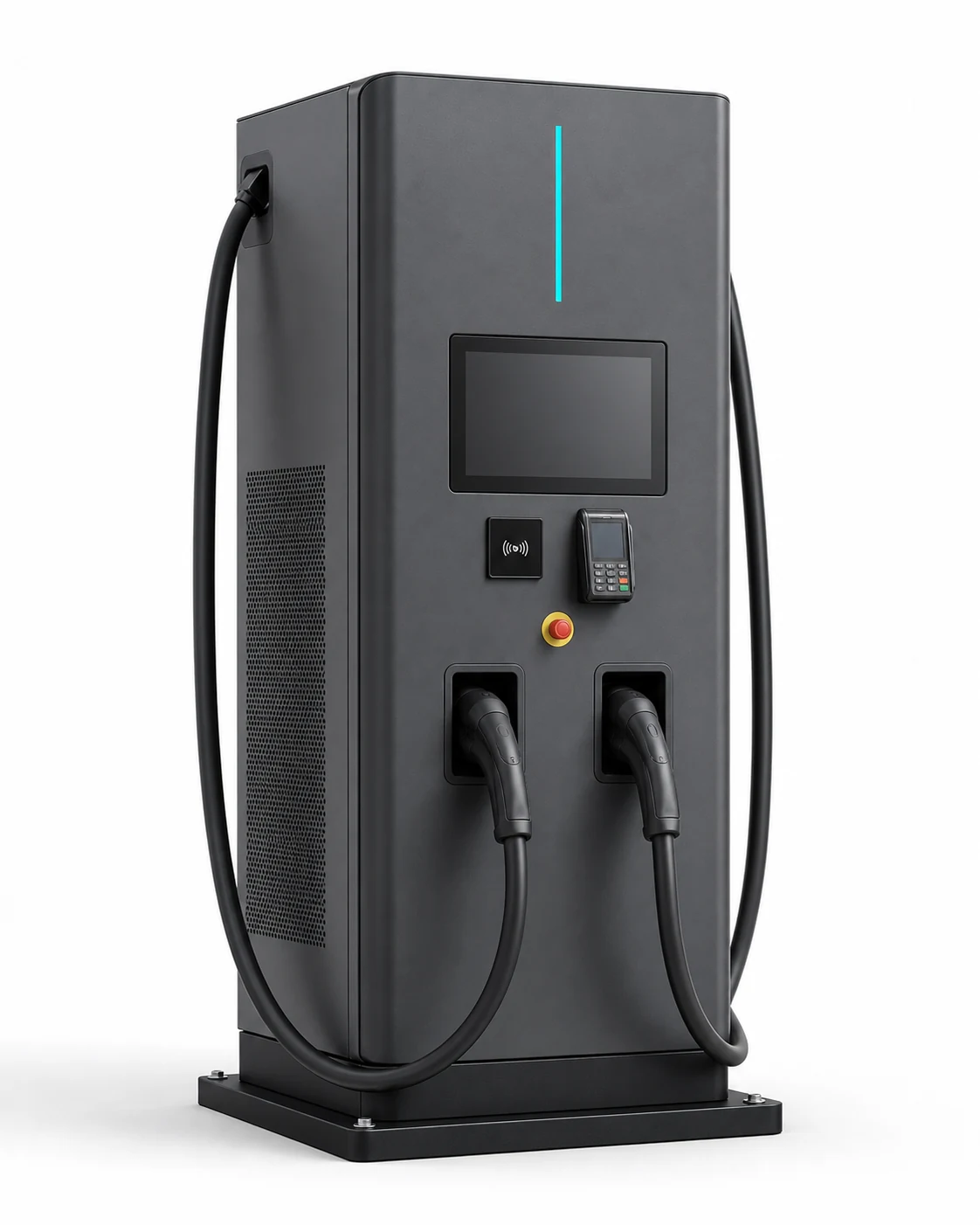
Use DC where connected time is the real constraint.
The fast-charge lane should be placed around vehicle movement, safe cable reach, driver access and the available electrical route.
Mall and office visitor lane
A focused DC lane can serve visitors who need a useful top-up during a shorter shopping or meeting stop.
Public parking
Match charger pace to turnover, public access, payment, accessibility, operating ownership and maintenance planning.
Fuel-station upgrade
Plan DC service around the live fuel operation, traffic flow, utility capacity, local safety requirements and staged construction.
Hotel or destination upgrade
A compact DC option can support late arrivals or short-stay visitors while most overnight bays remain AC.
Select the DC family from the stop, vehicle and site-power window.
Choose the charging-power family from the stop time, vehicle need and power available at the site. Your quotation lists the final rating, outputs and operating rules.
Compact DC destination upgrade
- Project power
- 30–60 kW starting range; your quote lists the selected rating
- Charging role
- One focused faster-charge position within a longer-stay site
- Vehicle connection
- The destination-matched DC connector and cable arrangement are confirmed in the quote
- Best starting fit
- Hotel, workplace or destination sites needing an optional faster lane
Vehicle acceptance, expected top-up, site supply, cable route and simultaneous operation determine the final configuration.
Commercial DC fast-charge lane
- Project power
- 60–180 kW per port; your quote lists the selected rating
- Charging role
- Dedicated higher-turnover bays with project-planned circulation and protection
- Vehicle connection
- CCS1, CCS2, CHAdeMO, GB/T DC or NACS DC screened by market and vehicle
- Best starting fit
- Retail, public parking and fuel-station charging upgrades
Your quotation lists output sharing, connectors, cable reach, power equipment, civil work and installation responsibilities.
60–240 kW commercial multi-output DC fast charger
- Project power
- 60–240 kW range; your quote fixes the installed rating and simultaneous allocation
- Charging role
- Integrated cabinet for a planned fast-charging lane
- Vehicle connection
- Three- or four-connector configurations; CCS1, CCS2, CHAdeMO or GB/T are selected in the quote
- Best starting fit
- Higher-turnover commercial sites planning several DC connectors from one cabinet
The 400/480 V AC input and 200–1000 V DC output profile still requires connector count, output sharing, cable reach, grid work and installed scope to be listed in the quotation.
960 kW split-type distributed DC fast-charging system
- Project power
- 960 kW central-cabinet rating; your quote fixes usable allocation and terminal configuration
- Charging role
- Air-cooled central power cabinet with separately planned dispensers
- Vehicle connection
- CCS1, CCS2, CHAdeMO, GB/T or NACS; the quote fixes the selected interfaces
- Best starting fit
- Multi-bay commercial sites planning central DC power distribution
The 480 V AC input and 200–1000 V DC output profile still requires dispenser count, per-output limits, cable routing, backend integration and derating to be listed in the quotation.
See how a focused fast-charging lane can sit within the site.
This illustrative scene helps discuss placement, vehicle approach and cable reach before a project layout is fixed.
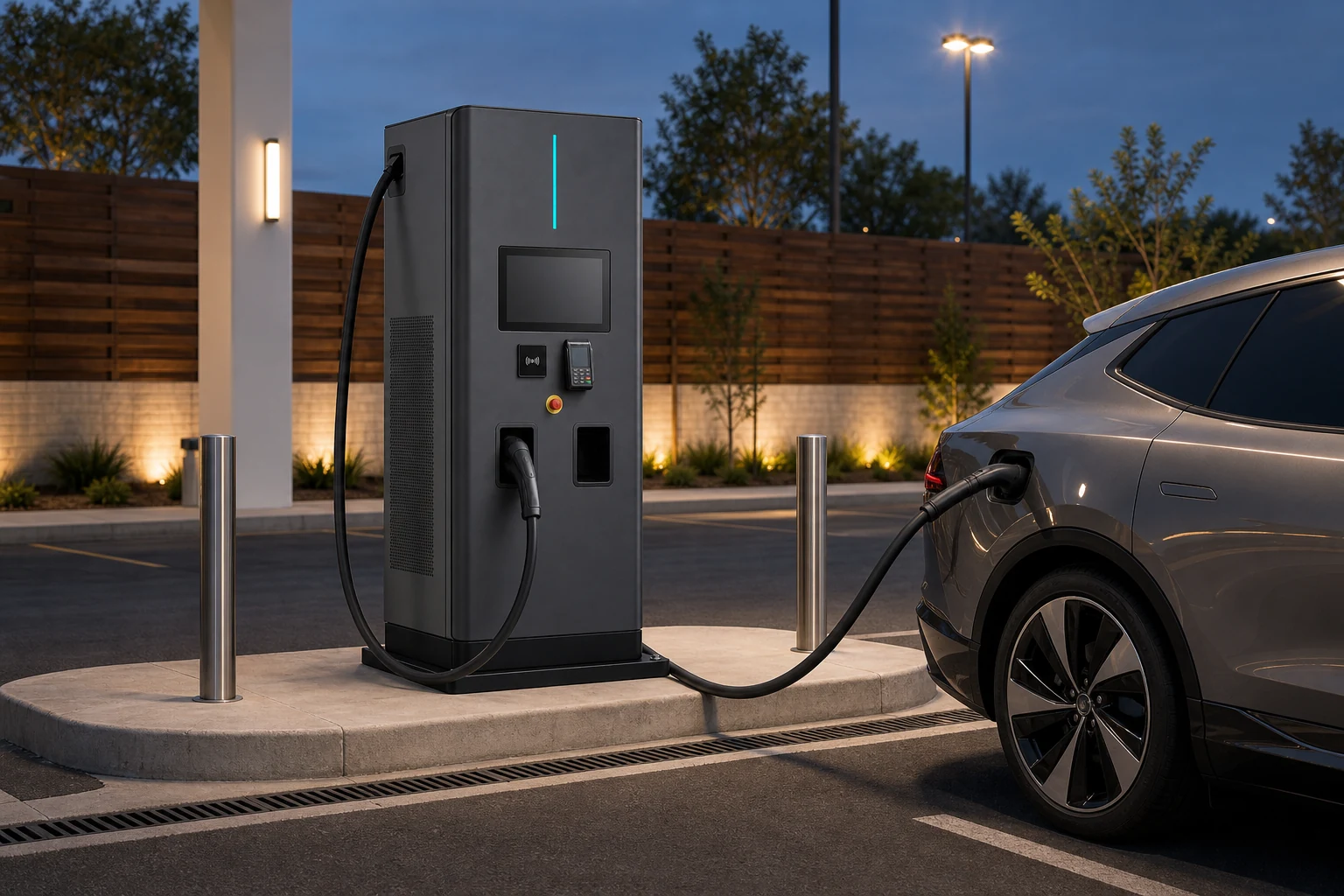
Use this example to discuss equipment position, vehicle approach and cable reach. Your site layout and cabinet configuration are listed in the proposal.
Use this layout example to plan charger position, vehicle approach and cable reach. Your proposal will show the layout for your site.
See the 30 kW bidirectional model in detail.
Use this family page to decide whether compact DC fits the site, then open the model page for dimensions, electrical ranges, connector choices and quote inputs.
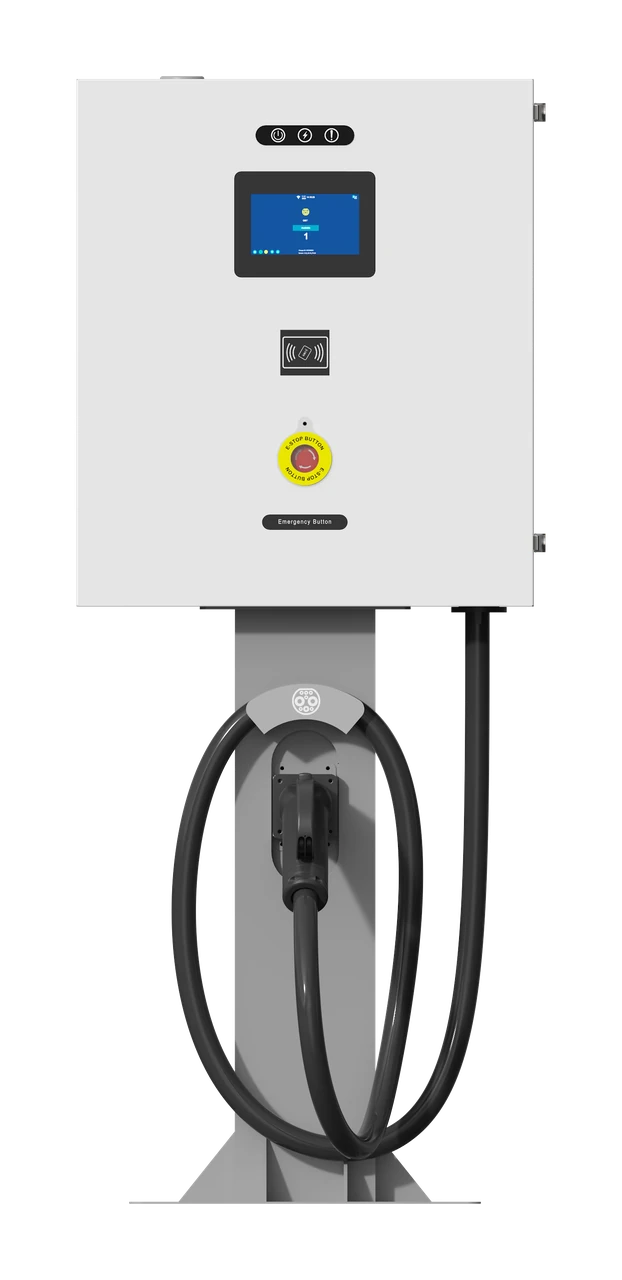
V2G30 30 kW bidirectional DC charger
See the cabinet dimensions, electrical ranges, connector choices and the items your quotation will specify.
- 30 kW bidirectional
- 630 × 260 × 1600 mm
- One project-selected DC connector
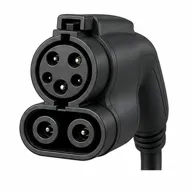
Match the connector to the vehicle and destination.
Match the vehicle inlet, charging capability and destination market together. The number of cables alone does not tell you how many vehicles can charge at full power at once.
CCS1
North America
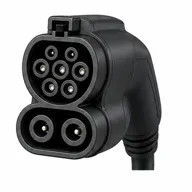
CCS2
Europe / global
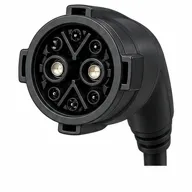
CHAdeMO
Japan / legacy fleets
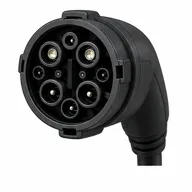
GB/T DC
China
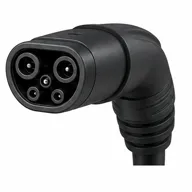
NACS DC
North America
Send the destination market plus typical vehicle makes, models and charging data. We will match the connector, cable, rating and required destination documents in your quote.
A fast charger needs power control, operation and the right slower lane around it.
The strongest commercial mix gives each vehicle a charging pace that matches its stay and priority.
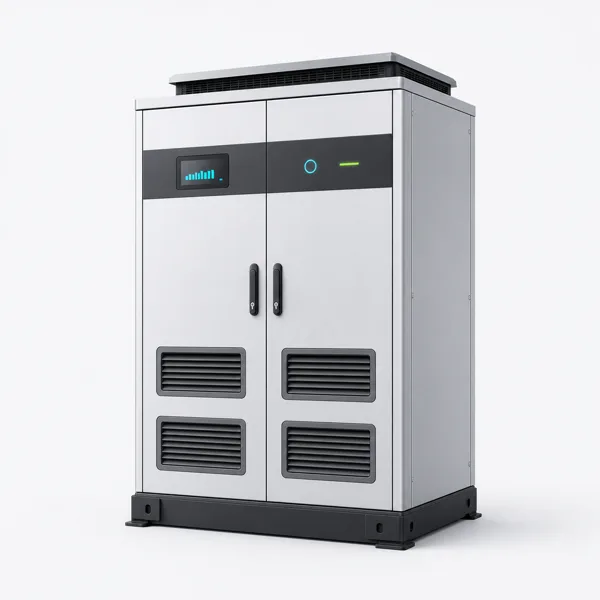
Dynamic load management
Coordinate the DC lane with the building or depot power available at that moment.
See how it fits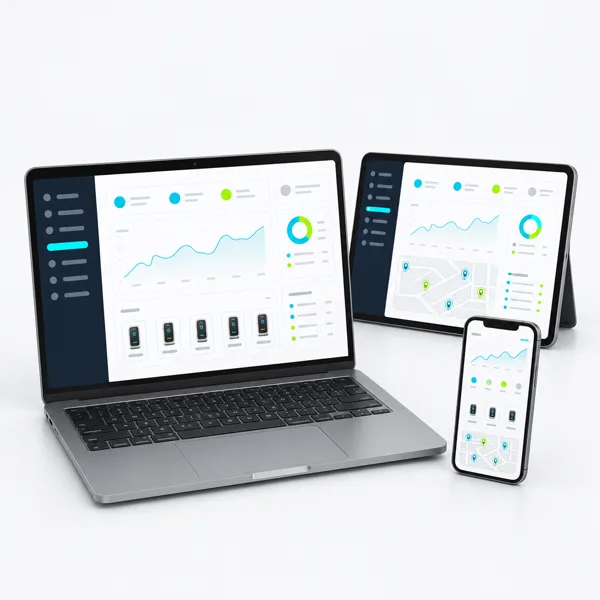
Charging management platform
Configure access, status, reporting and operator workflows for the supplied charging service.
See how it fits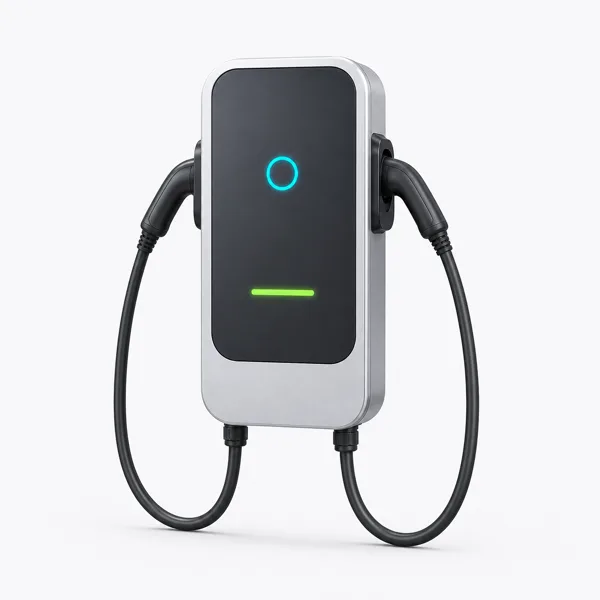
Commercial AC charging
Use AC for the vehicles that stay longer so higher-power DC remains focused on shorter stops.
See how it fitsConfirm the energy window, vehicle and site before fixing the DC charger.
Choose DC power from the energy drivers need, the time they stay and the electrical supply available to the charging bays.
- Destination market and representative vehicle inlets and DC acceptance data
- Energy needed per visit, target stop time, daily arrivals and peak overlap
- Verified utility capacity, transformer and switchboard data, demand profile and expansion plan
- Bay geometry, vehicle approach, cable reach, accessibility and collision-protection needs
- Public or controlled access, payment and reporting requirements
- Destination documents, testing, installation, commissioning, warranty and support
Get the right information at each buying step.
Download the worksheet now. Your quotation adds the selected configuration, and your confirmed order adds the handover set.
Commercial EV charging project worksheet
Share the site, vehicles, power information, destination and timeline needed for a useful first proposal.
PDF - 2 pages Download the worksheetSelected DC fast-charging configuration sheet
Lists the DC power arrangement, simultaneous outputs, connectors, cable reach, access or payment setup and destination documents included.
Included with your quotation Add this document scope to my quoteDC installation and handover pack
The confirmed order controls the applicable civil and electrical interfaces, commissioning, warranty, spare-parts and support documents.
Included with your confirmed order Plan my handover packUse the worksheet to share your starting details. Your quotation and order list the exact specifications, documents, responsibilities and commercial terms included.
Answers before you select a DC fast-charging family.
What DC power rating does my site need?
Work backward from energy required, usable stop time and the vehicle’s DC acceptance, then compare the result with available site power and expected overlap. Your quotation lists the selected rating.
Will a higher charger rating always charge the vehicle faster?
The vehicle, battery condition, charging curve, connector, temperature and available site power all affect delivered power. A larger charger label does not guarantee a shorter stop.
Can one charger include more than one DC connector family?
Connector arrangement and simultaneous operation depend on the selected charger and destination market. Your quotation lists each connector and how the outputs can be used.
Should every public parking bay use DC fast charging?
Usually the decision starts from dwell and turnover groups. A focused DC lane can serve shorter stops while AC spaces cover longer stays, subject to site demand, access, accessibility and operating needs.
What should I send for a fast-charger quotation?
Provide the destination, representative vehicles, target energy and stop time, daily and peak arrivals, electrical drawings or demand data, bay layout, access model and project timing.
Plan the fast-charge lane around a real site journey.
Put a focused DC lane into your site blueprint.
Choose the site, spaces, market and connectors. The configurator will show the starting DC quantity beside the AC, site-power, software and installation package.
Takes about one minute. Your quotation lists the exact equipment and services included.