Plan EV charging around the way your fuel station already operates.
Map fuel operations, driver dwell, available power, safety zones and public payment first. Then build a staged charging plan matched to your site layout, market and construction schedule.
Charging, site power, public service and forecourt works must operate as one project.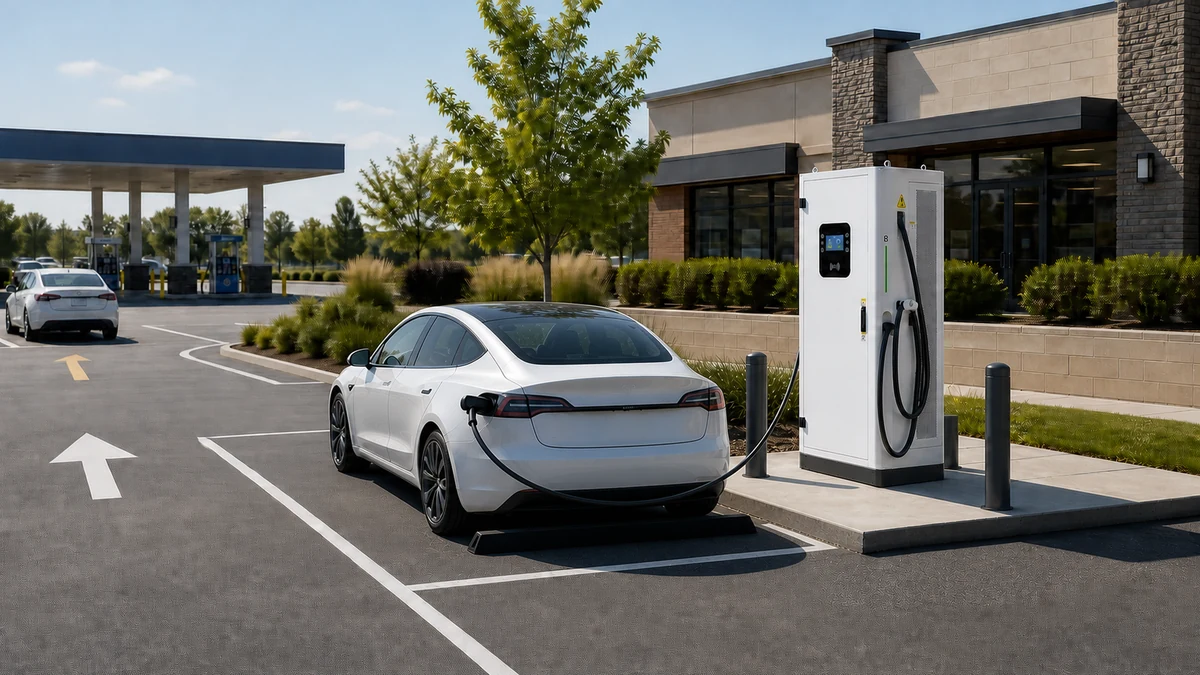
Map pumps, tanks, fill points, vents, tanker routes, parking, amenities and when drivers can wait.
Place charging only after utility capacity, local fire and electrical rules, and vehicle movement are checked.
The project plan covers the connector, charger power, certifications, construction sequence and operating setup for the destination.
Get a project recommendation and quote
This solution is attached automatically. Add only what you already know.
Turn a live fuel station into a staged charging plan.
Start with how vehicles use the site, check available power, then choose the equipment and installation phases.
- 01
Map the live forecourt
Record pumps, tanks, fill points, vents, buildings, electrical rooms, drainage, parking, queues, tanker routes and emergency access, then identify the adopted fuel, fire, electrical, environmental and accessibility rules and responsible authorities.
- 02
Define the charging customer
Separate corridor drivers, local visitors, fleet users and trailer traffic by arrival pattern, usable dwell, peak period and required amenities.
- 03
Check the power path
Use measured peak demand, service and transformer data, utility capacity, tariff, metering and the proposed charging profile.
- 04
Choose the operating model
Confirm ownership, public access, payment, price display, network, monitoring, customer support, maintenance and data responsibilities.
- 05
Plan the staged build
Coordinate work zones, tanker deliveries, temporary circulation, inspections, commissioning and the physical route for later expansion.
Two site rules buyers should understand without code jargon.
The fuel-vapour safety zone
Local fuel, fire and electrical rules determine where charging vehicles, cables, electrical equipment and any energy storage can sit in relation to pumps, tanks, vents, fill points and tanker activity. There is no universal public spacing rule.
A charging power ceiling for the whole site
When configured and commissioned for the project, the charging system can apply a confirmed site limit and distribute available power between active sessions. This can reduce coincident demand, but it does not prove that a utility upgrade is unnecessary.
Different fuel-station roles create different charging plans.
Use the row closest to your forecourt. We tailor charger quantity, power, connector and layout to driver demand, available electricity and safe site circulation.
| 05 — SITE OPERATING PATTERNS | Site pattern | Practical starting point | Confirm before ordering |
|---|---|---|---|
| Highway or corridor stop | Drivers expect a short stop, clear wayfinding and access to toilets, food or a convenience store. | Visible DC fast-charging bays with pull-through or trailer-aware circulation where the site and utility can support them. | Traffic and vehicle mix, dwell, utility capacity, connector policy, fuel-site safety check and public-payment requirements. |
| Urban convenience station | Space is tight, visits are mixed and charging must coexist with frequent fuel and shop traffic. | A compact site-matched charging cluster placed around safe circulation, accessible access and the measured power ceiling. | Queue interaction, parking enforcement, cable reach, local code requirements, demand peaks and customer dwell. |
| Mixed public and fleet use | Public drivers and known commercial vehicles use the property at different times or under different access rules. | Separately managed access, pricing and priority rules on a coordinated or separated electrical backbone. | Public versus fleet capacity, vehicle compatibility, account access, reporting, payment and operating responsibility. |
| Staged station conversion | The first charging phase is modest while later demand, utility work or property redevelopment remains open. | Install a site-matched first block and reserve approved conduit, switchgear space, communications and bay layout for later phases. | Phase trigger, utility milestones, civil-work responsibilities, future traffic plan and which reserved works are approved now. |
Charging, site power, public service and forecourt works must operate as one project.
See how chargers, power control, software and installation fit together. Receive exact quantities and included services in one clear project package.

Market-matched public charging bays
Port count, connector, cable reach and delivered power confirmed for the intended vehicles and destination marketServes the intended driver without assuming that every forecourt needs the same power or number of ports.
Confirmed in site assessment View matching product family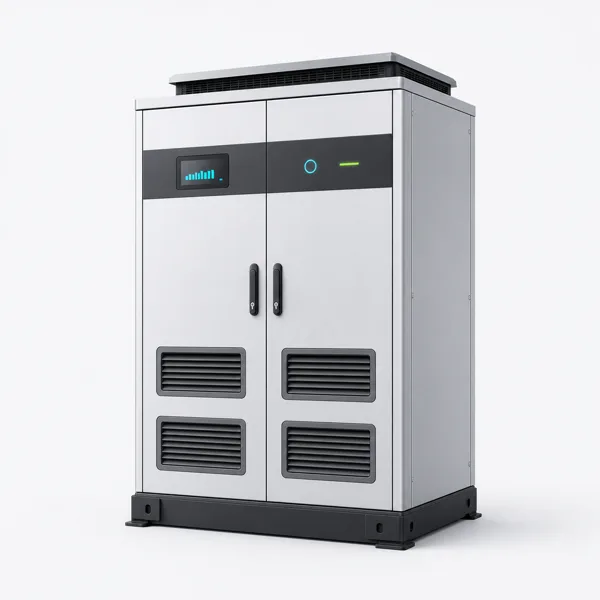
Electrical backbone and managed charging
Project-defined service limit, metering, distribution, load control and staged expansion pathCoordinates charging with existing station loads while keeping any service or transformer upgrade decision with the utility and electrical assessment.
Electrical scope confirmed in quote View matching product family
Payment and charging operations platform
Market-required payment, price display, session status, alerts, reports and customer-support workflowConnects the hardware to the public service model without assuming one payment method, network or support arrangement for every country.
Market and operator scope confirmed View matching product family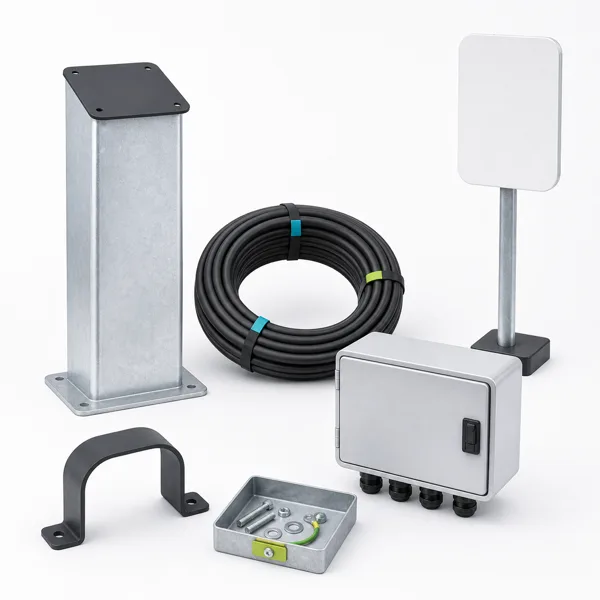
Fuel-site civil and protection package
Local-code layout, barriers, markings, lighting, drainage, cable routing and inspection scopeIntegrates charging with real fuel, tanker and customer movements instead of laying out the property like an ordinary car park.
Site survey and authority data neededStart with ten site facts. Add surveys and authority feedback when available.
Send what you have today—your site plan, parking or vehicle schedule and power data. We will show what EVBBC supplies and what your local installer completes.
- Country, station city, site ownership and target operating date
- Scaled plan showing pumps, tanks, fill points, vents, buildings, limits and existing parking
- Customer, service-vehicle and tanker circulation, queues and emergency access
- Traffic, expected EV mix, usable dwell, peak periods and nearby amenities
- Phase-one public or fleet charging roles and preferred number of active bays
- Electrical single-line information, service and transformer data, and available interval or peak-demand records
- Utility contact, tariff, metering, interconnection and known upgrade information
- Known fuel, fire, electrical, environmental, accessibility and payment requirements or authority contacts
- Connector, network, payment and proposed ownership or operator model
- Requested equipment, civil, installation, commissioning, support and future-expansion scope
Answers before you place chargers on the forecourt.
01 Can EV chargers be installed beside our fuel pumps? +
Often yes. We first map pumps, tanks, vents and tanker routes, then place chargers to meet local fuel, fire and electrical rules.
02 How do we choose the number and power of charging bays? +
Start with the intended drivers, vehicle compatibility, arrivals, usable dwell, peak overlap, public or fleet access, physical space and available site power. Short corridor stops often point toward DC fast charging, while longer dwell or restricted capacity can create a different mix.
03 Can managed charging make our existing electrical service sufficient? +
It can cap coincident charging demand and distribute available power between sessions. Measured site demand, service equipment, tariff and utility decision still determine whether the existing supply is sufficient or an upgrade is required.
04 Should battery storage or solar be included? +
Evaluate them after the charging profile, utility limit, tariff, available space, resilience objective and lifecycle cost are known. Storage can support some grid-constrained projects, but it does not automatically remove utility work, reduce total cost or simplify fuel-site approvals.
05 Which connectors and equipment certifications are required? +
The answer depends on the destination market, intended vehicles, local electrical rules, public-funding conditions and operator requirements. Connector compatibility and certification documents must be confirmed for the exact equipment configuration before ordering.
06 How should public drivers pay? +
The project needs a market-compliant path for ad hoc access, price information, payment, receipts and customer support. In the European Union, AFIR sets specific payment, price-transparency and data duties for publicly accessible charging; other markets have different rules.
07 Can the fuel station remain open during construction? +
A phased construction plan can keep agreed areas open when safe work zones, tanker windows and electrical isolations are approved.
08 What changes the project budget and opening schedule? +
Major variables include charger power and quantity, utility work, trenching and cable distance, fuel-site layout constraints, barriers and drainage, permits, accessibility, payment and networking, optional storage, inspections, equipment lead times and restrictions on working around live operations.
09 Who operates and maintains the chargers after opening? +
The project plan names who monitors the stations, supports drivers, manages payment services, maintains equipment and supplies spare parts.
10 What information creates the fastest useful quotation? +
Provide the destination market, site plan, fuel-equipment locations, traffic and dwell pattern, charging objective, available electrical data, utility contact, proposed payment or operator model and the requested supply, construction and support responsibilities.
Fuel-site safety and charging resources
- Joint Office of Energy and Transportation — Public EV Charging Station Site Selection Checklist
- U.S. DOE Alternative Fuels Data Center — Procurement and Installation for EV Charging Infrastructure
- National Fire Protection Association — 2024 NFPA 30A, Code for Motor Fuel Dispensing Facilities and Repair Garages
- U.S. Access Board — Design Recommendations for Accessible Electric Vehicle Charging Stations
- European Union — Consolidated Alternative Fuels Infrastructure Regulation 2023/1804
- Joint Office of Energy and Transportation — Battery Energy Storage for Electric Vehicle Charging Stations
Turn your fuel-station plan into a practical charging brief.
Share the site plan, driver pattern and available power information. Add local authority, utility and operating details as they become available.