Can your building support EV chargers without an unnecessary power upgrade?
Do not start with charger count alone. Compare your available site limit with the building’s real peak demand, then match the remaining power to what vehicles need before they leave.
Build my charging power plan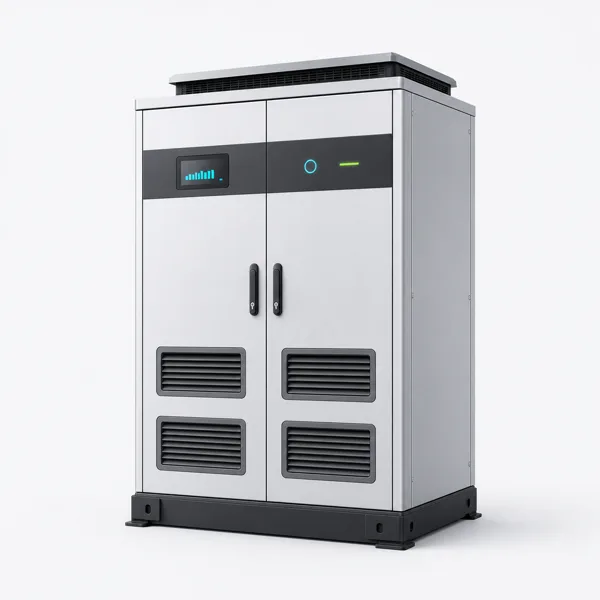
Monthly energy totals do not show the busiest moment.
Charging is slowed, staggered or prioritised within that limit.
They validate the final service, protection and approval scope.
First find the power your building can safely spare.
Twenty charging spaces do not mean twenty chargers must run at full output at once. The useful question is how much power remains during the building’s peak—and how many kilowatt-hours each vehicle needs during its stay.
- 01
Existing capacity is sufficient for the planned first phase.
- 02
Capacity is tight, but charging can be scheduled within a shared ceiling.
- 03
Ask the utility to price and schedule any required service or transformer upgrade.
Check the site before choosing charger quantities.
These five steps turn an equipment discussion into a usable electrical brief.
- 01
Verify the site limit
Collect the confirmed utility service, transformer and main switchboard ratings. A nameplate alone does not confirm usable spare capacity.
- 02
Measure the building peak
Use interval meter data where available. Include seasonal peaks and loads that operate at the same time as charging.
- 03
Define the vehicle energy need
Record arrival time, departure time and the energy each vehicle needs before it leaves.
- 04
Set one charging power ceiling
Give every charger a shared limit so sessions can be slowed, staggered or prioritised as building demand changes.
- 05
Confirm the local electrical scope
A qualified local professional and the utility confirm protection, cable, metering, permit and upgrade requirements.
Know the difference between power now and energy over time.
How hard the building works right now
This is the instant power demand the electrical system must support.
How much energy the vehicles need during their stay
A longer parking window can deliver the same energy with less average power.
See how much power remains for charging
Use verified interval-load data and have the final electrical design confirmed by a qualified local professional.
The right first phase depends on when vehicles must leave.
Longer dwell time creates more room to share power. Short turnaround creates a stronger case for higher output or an infrastructure study.
Hotel or overnight parking
- Parking pattern
- Vehicles stay for many hours
- Practical starting point
- Use a broad AC charging layer and share power across the night.
- Confirm before ordering
- Guest demand, overnight building peak and future spaces.
Mall or office
- Parking pattern
- Visits range from short to all-day
- Practical starting point
- Use AC for longer stays and reserve a smaller DC lane for faster turnover.
- Confirm before ordering
- Peak property load, parking duration and fee model.
Return-to-base fleet
- Parking pattern
- Departure times are known
- Practical starting point
- Prioritise vehicles by route time instead of charging every vehicle at maximum power.
- Confirm before ordering
- Arrival waves, energy per route and latest departure.
Public quick-stop site
- Parking pattern
- Drivers expect a short visit
- Practical starting point
- Study higher-power DC together with the utility, service route and demand charges.
- Confirm before ordering
- Vehicle acceptance rate, expected concurrency and grid connection.
Four layers keep charging within the building’s safe power limit.
Metering, power control, chargers and software work together to keep charging within the building’s safe power limit.
Site metering and power data
Building demand + charging demand Matched to your projectShows when the site is approaching its agreed power ceiling.
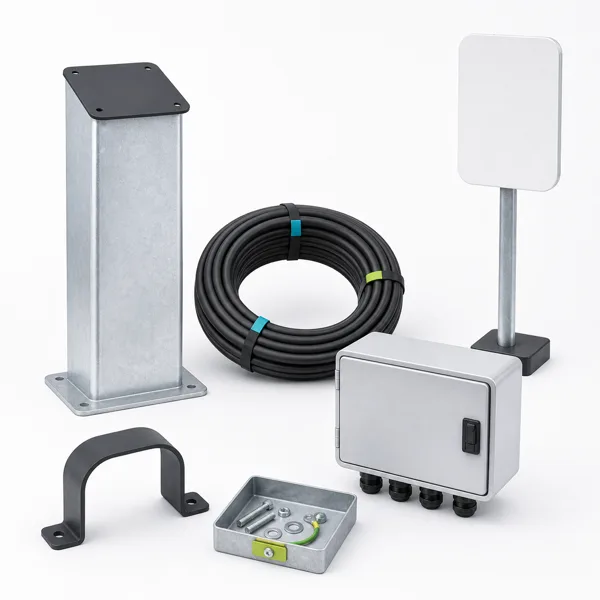
Anti-blackout site power controller
One shared site limit Site power protection optionAdjusts charging output so the charging system stays within the configured ceiling.
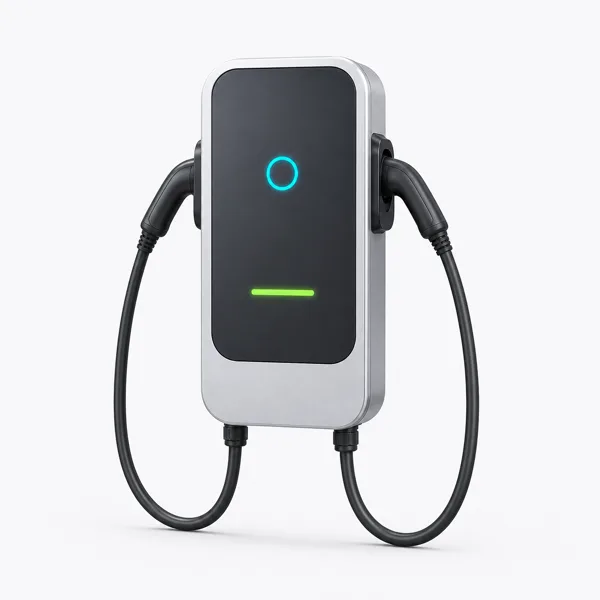
AC and DC charging layer
Speed matched to dwell time Matched to your projectDelivers the required energy without treating every parking space as a fast-charge space.
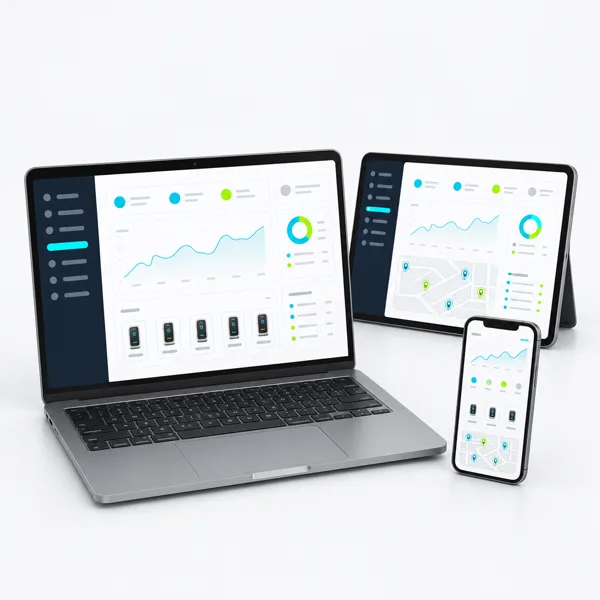
Live status and priority software
Schedule + status + reports Matched to your projectPrioritises the vehicles that must leave first and records each charging session.
Send these site inputs for a useful first answer.
Start with the details you already have. Each additional site input makes the equipment and scope quotation more accurate.
- Country, city and target opening date
- Utility bill and interval load data, if available
- Service voltage and main rating
- Transformer or switchboard nameplate photo
- Single-line electrical diagram, if available
- Parking layout and cable distance
- Vehicle type, quantity and connector
- Arrival, departure and energy-needed schedule
- Phase-one spaces and future expansion plan
- Electrical-room and cable-route photos
Answers before you size the charging equipment.
01 How do I know whether my building has spare electrical capacity? +
Start with a utility- or electrician-confirmed usable site limit and compare it with measured peak building demand. Then reserve an agreed margin before assigning power to charging.
02 Should I add together every charger’s nameplate rating? +
That total describes a possible maximum, not necessarily the planned site demand. The project design also considers simultaneous use, vehicle demand and the configured site power ceiling.
03 Can managed charging prevent building overload? +
It can control charging to a configured site ceiling. The ceiling, protection settings and available electrical capacity still require project-specific confirmation.
04 Can managed charging eliminate a transformer upgrade? +
It may reduce or defer an upgrade where vehicle schedules are flexible, but it does not prove that the existing service is sufficient.
05 Do I need interval load data? +
Interval data is strongly preferred because monthly energy totals do not show when the building reaches its peak.
06 When should the utility be contacted? +
Contact the utility early, before equipment quantities, installation budgets and delivery dates are treated as final.
Official standards and planning references
Turn your site data into a complete charging brief.
Use the one-minute configurator to record the site type, spaces, destination and connector needs before the electrical assessment.