Charge more parked vehicles without paying for fast charging in every space.
Commercial AC charging uses the time vehicles are already parked. It is the practical starting family for overnight guests, employees, residents and other longer-stay drivers.
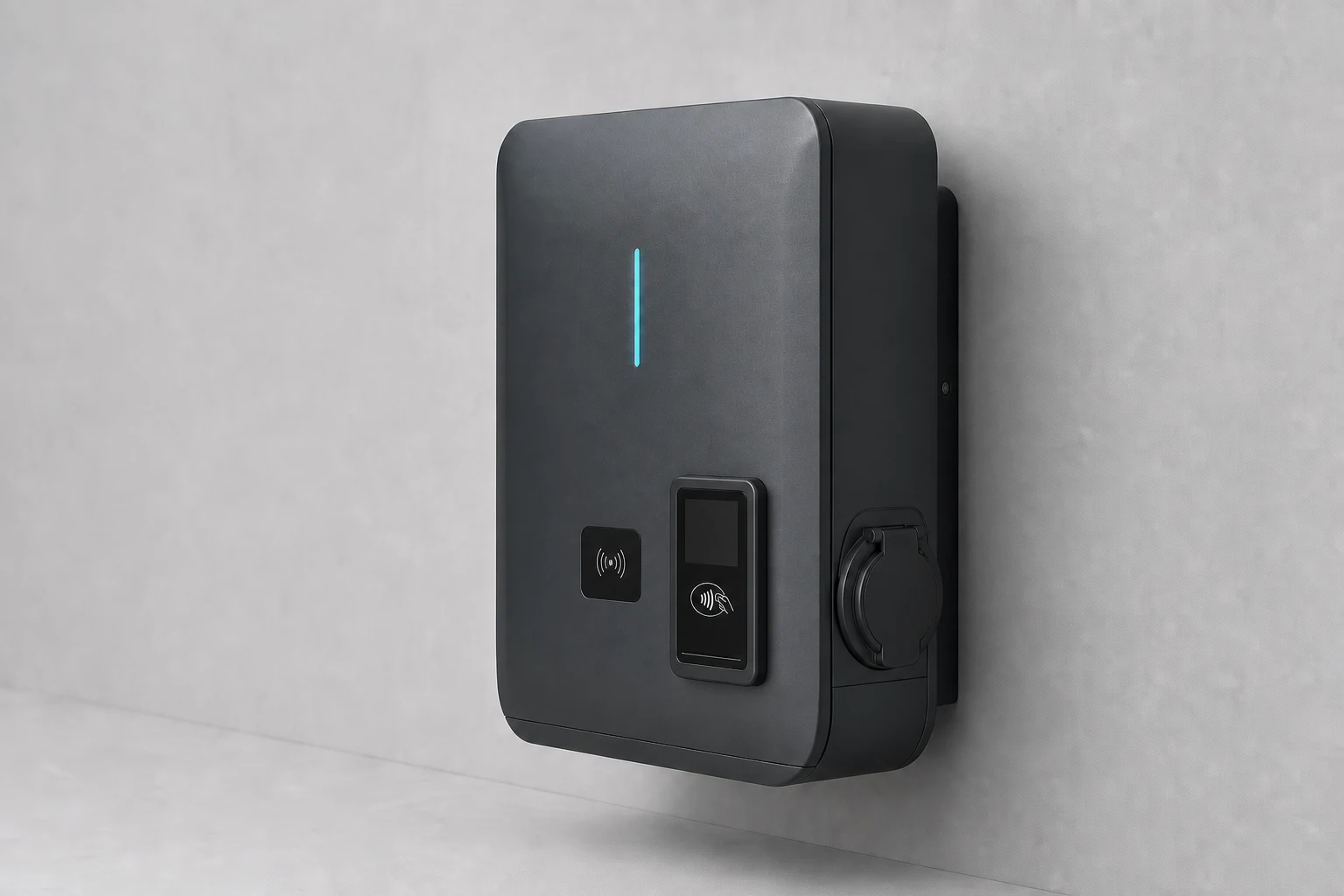
A strong fit when the vehicle is staying anyway.
Start with real parking behaviour rather than choosing a charger only from its maximum rating.
Hotel and resort stays
Guests can receive useful energy during an overnight stay while the project controls access and available building power.
Workplace and commercial parking
Employee, tenant and visitor spaces can be grouped by expected dwell time and operating priority.
Apartments and shared parking
Assigned, shared and visitor spaces can be phased around resident demand, power availability and the chosen electricity-allocation process.
Fleet overnight lane
Vehicles parked between shifts can use a lower-cost AC lane while route-critical vehicles receive separately planned DC capacity.
Choose the mounting and port arrangement around the parking layout.
Choose the mounting and port pattern that fits the parking layout. Your quotation lists the final rating, connection type and accessories.
Wall-mounted destination AC
- Project power
- 7–22 kW per port; your quote lists the selected rating
- Installation format
- Wall mounting with the cable or socket arrangement listed in your quote
- Vehicle connection
- Type 1, Type 2, GB/T AC or NACS AC matched to the destination and vehicle inlet
- Best starting fit
- Parking beside a usable wall or column
The quote confirms input supply, mounting surface, cable route, protection and user-access method.
Single-post destination AC
- Project power
- 7–22 kW per port; your quote lists the selected rating
- Installation format
- Pedestal position sized for the bay and cable reach
- Vehicle connection
- Destination-matched AC connector or socket configuration
- Best starting fit
- Open parking areas where wall mounting is impractical
The civil base, impact protection, feeder route and final charger configuration are confirmed per project.
Shared two-port AC position
- Project power
- Per-port rating and simultaneous allocation confirmed from site power
- Installation format
- One position serving two adjacent charging bays
- Vehicle connection
- Each port is matched to the destination market and typical vehicle inlets
- Best starting fit
- Paired bays with predictable longer dwell
Two adjacent bays can share one charging position; the site plan shows how available power is divided when both vehicles charge.
JC-AC-44KW dual-port floor-standing AC
- Project power
- 22 kW + 22 kW listed configuration; your quote fixes the supplied electrical arrangement
- Installation format
- One floor-standing position serving two adjacent AC bays
- Vehicle connection
- Type 2 socket starting configuration; any tethered-cable arrangement is fixed in the quote
- Best starting fit
- Paired longer-stay bays with a suitable three-phase supply
The 380–415 V AC, 3P+N+PE starting profile still requires the feeder design, mounting, interface, network path and destination documents to be listed in the quotation.
Match the vehicle inlet and destination before the order is fixed.
Choose the connector used by vehicles in the destination market, then decide whether each position needs a cable or socket.
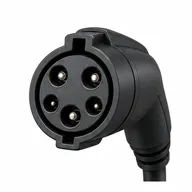
Type 1
North America / Japan
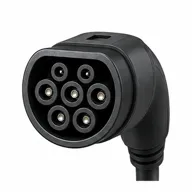
Type 2
Europe / global
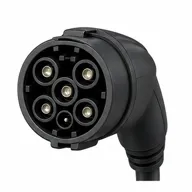
GB/T AC
China
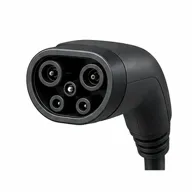
NACS AC
North America
Send the destination country and typical vehicle models. We will match the connector, electrical input and required destination documents in your quote.
AC charging works best as part of a controlled site stack.
Connect the chargers to site-power control and the operating tools required by the property or fleet.
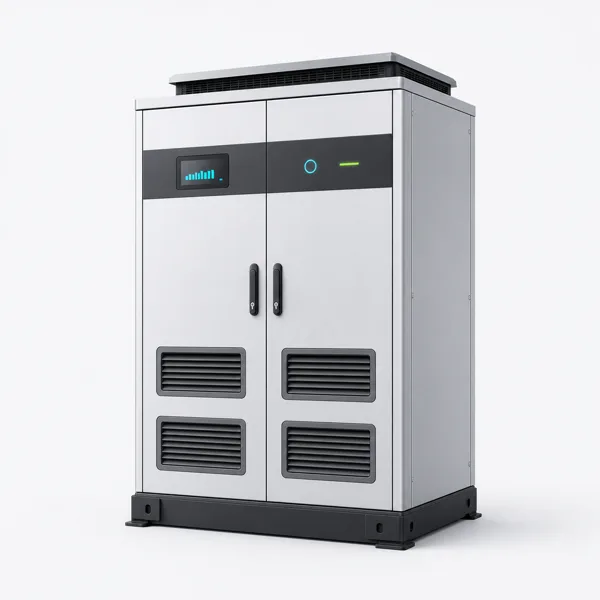
Dynamic load management
Keep total charging demand within the building's available capacity to help avoid trips.
See how it fits
Charging management platform
Configure access, visibility, reporting and operator workflows around the selected project scope.
See how it fits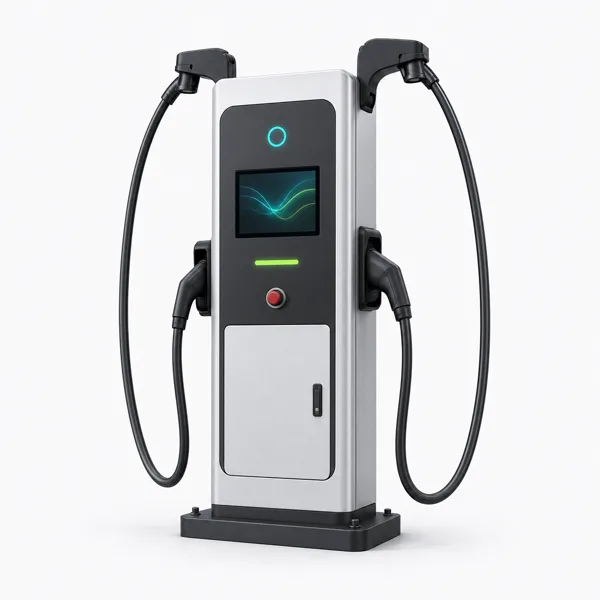
DC fast charging lane
Add a smaller fast-charge lane when some visitors need a shorter stop than the AC spaces can serve.
See how it fitsSend six details to price the right AC setup.
A useful quotation connects the charger selection to the site, vehicles and operator instead of listing a generic wallbox.
- Destination country and representative vehicle inlets
- Number of bays, expected connected hours and energy needed before departure
- Verified supply voltage, phase arrangement, site demand and charging-power ceiling
- Wall, column or pedestal locations with cable reach and impact-protection needs
- Free, controlled or paid access and the required operating reports
- Destination documents, installation responsibilities, warranty and support
Get the right information at each buying step.
Download the worksheet now. Your quotation adds the selected configuration, and your confirmed order adds the handover set.
Commercial EV charging project worksheet
Share the site, vehicles, power information, destination and timeline needed for a useful first proposal.
PDF - 2 pages Download the worksheetSelected AC charging configuration sheet
Lists the AC rating, quantity, mounting, connector or socket, access method and site-power settings included.
Included with your quotation Add this document scope to my quoteAC installation and handover pack
The confirmed order controls the applicable installation, commissioning, warranty, spare-parts and support documents.
Included with your confirmed order Plan my handover packUse the worksheet to share your starting details. Your quotation and order list the exact specifications, documents, responsibilities and commercial terms included.
Answers before you select an AC charging family.
How many AC chargers should the site install?
Start with spaces that have predictable parking time, then compare vehicle energy need with connected hours and available site power. We use those inputs to suggest a port count, equipment quantity and phased installation plan.
Does every AC port deliver its full rating at the same time?
That depends on the electrical design and power-sharing rule. Your quotation lists the usable site limit and how available power is divided across the ports.
Which AC connector should I choose?
Match the destination market and actual vehicle inlets first. The configurator covers Type 1, Type 2, GB/T AC and NACS AC; your quotation lists the connector and destination documents for the supplied configuration.
Can hotel guests or tenants be given different access?
Describe the user groups, free or paid rules, operator roles and reports you need. Your quotation lists the management functions and integrations included.
What information produces a useful AC charger quote?
Provide the destination, bay count, parking pattern, typical vehicles, available electrical data, mounting conditions, access model and timing. Photos, drawings and a recent demand profile make the proposal more accurate.
Use the AC family with the right site and power guidance.
Put commercial AC charging into your site blueprint.
Choose the site, spaces, market and connectors. Your project brief will include the starting AC quantity plus the power-control, software and installation context.
Takes about one minute. Your quotation lists the exact equipment and services included.