Heavy-truck charging planned around every departure.
Start with routes, return times and next departures. We turn those operating facts into energy by shift, shared site power, charging bays and a staged electrical plan.
Hardware, power control and depot operations work as one system.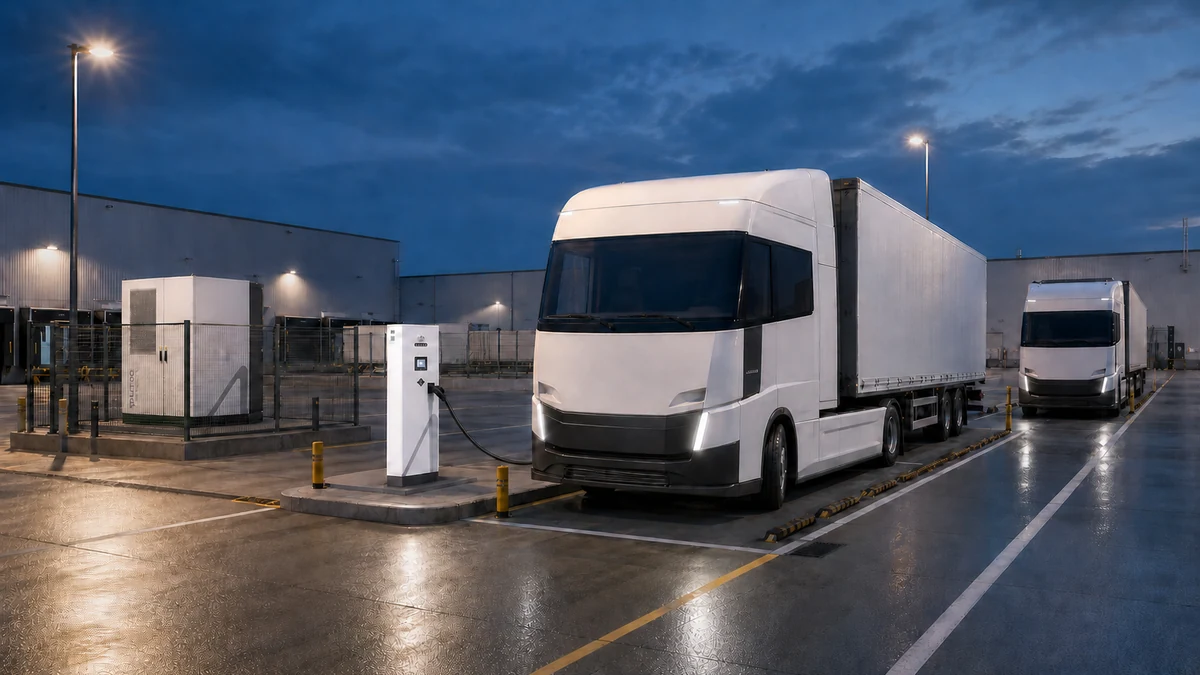
Map energy need and usable plugged-in time for each operating block.
Coordinate truck models, energy needs, charging windows, cables, electrical capacity and movement as one site.
The quotation will list the connector, delivered power, civil work and grid-connection scope.
Turn a shift schedule into a depot blueprint.
Start with how vehicles use the site, check available power, then choose the equipment and installation phases.
- 01
Map the duty cycle
Group trucks by route, return-time range, next departure, payload, terrain, climate and auxiliary loads.
- 02
Confirm each truck
Record the actual model, battery, inlet position, connector and OEM charging capability.
- 03
Calculate the window
Use measured or validated energy need and the time the vehicle can really remain connected.
- 04
Draw truck movement
Check trailer position, turning path, cable reach, impact protection, queues and emergency access.
- 05
Phase the power
Set a site ceiling, prioritise the next departures and coordinate the utility path before expansion.
Keep every truck on schedule without oversizing the depot.
A departure-first power queue
Instead of sending every connected truck to full power, the controller directs available site power to the vehicles that need energy soonest.
Share power across several truck bays
A modular power cabinet can serve several well-positioned connection points when the truck models, bay layout and electrical design support sharing.
Different departure patterns create different equipment mixes.
Use the row closest to your operation. We tailor charger quantity, delivered power and bay layout to your trucks, routes and departure times.
| 05 — OPERATING PATTERNS | Operating pattern | Practical starting point | Confirm before ordering |
|---|---|---|---|
| Return-to-base overnight | Predictable routes return to one depot with a long overnight dwell. | Vehicle-matched AC or DC depot bays with scheduled charging under a site power ceiling. | Real arrival energy, usable plugged-in hours, vehicle limits and morning departure groups. |
| Two-shift operation | Trucks return briefly and another shift leaves later the same day. | Prioritised higher-power DC bays plus software that tracks energy targets by departure. | Turnaround time, peak overlap, charger sharing, redundancy and utility capacity. |
| Mixed truck fleet | Tractors and rigid heavy trucks use different connectors, inlets and route windows. | Separate compatible connection zones supplied by a coordinated electrical backbone. | Every named vehicle model, connector, voltage range, inlet position and cable reach. |
| Staged fleet growth | Phase one starts small while later vehicle orders and utility work remain open. | Install the first operating block and reserve switchgear space, conduits, communications and bays. | Approved fleet phases, utility milestones, expansion trigger and civil-work responsibilities. |
Hardware, power control and depot operations work as one system.
See how chargers, power control, software and installation fit together. Your quote shows exact quantities and included services.

Vehicle-matched heavy-truck charging bays
AC or DC role, connector, cable reach and delivered power confirmed against the selected trucksWe match the dispenser, cable reach and power to your truck models and bay layout.
Confirmed in site assessment View matching product family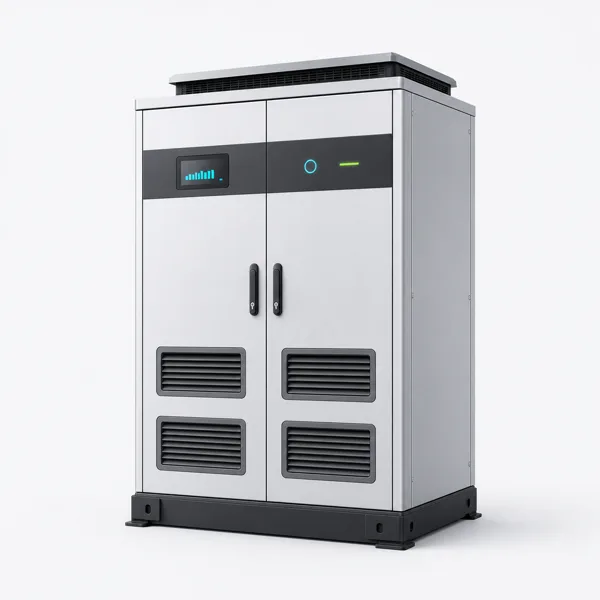
Shared site power controller
One project-defined ceiling with priority by departure and target energyWhen selected for the project, it applies the confirmed site ceiling and charging priorities instead of assuming every truck draws maximum power at the same time.
Configured and commissioned by project View matching product family
Depot charging dashboard
Vehicle status, charging sessions, priorities, alerts and energy reportsLets the operator see which trucks are connected, which departures are at risk and where attention is needed.
Integration confirmed in quote View matching product family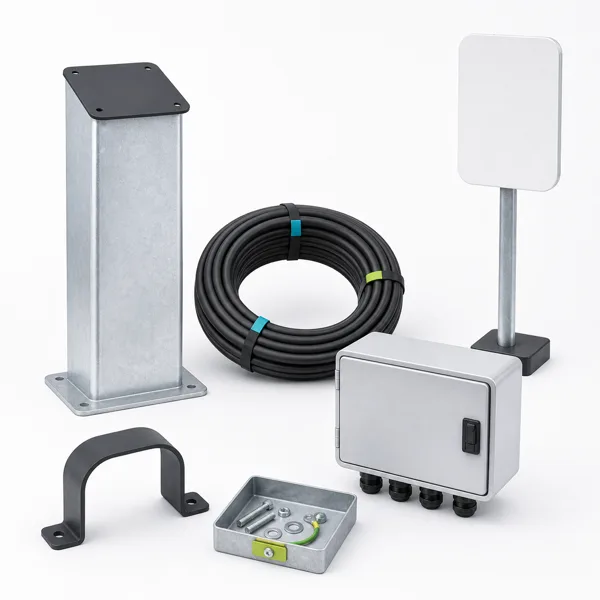
Truck-ready installation package
Cable support, impact protection, distribution route and reserved expansion pathConnects the equipment to real truck circulation instead of treating the depot as an enlarged car park.
Site layout requiredStart with ten fleet facts. Add drawings and electrical data when available.
Send what you have today—your site plan, parking or vehicle schedule and power data. We will show what EVBBC supplies and what your local installer completes.
- Country, depot city and target operating date
- Fleet operation type and phase-one truck count
- Truck models or planned vehicle market
- Typical route distance and payload pattern
- Return and next-departure windows
- Known connector and inlet information
- Available utility, transformer or peak-load data
- Depot plan, truck circulation sketch or aerial image
- Future fleet phase and expected timing
- Requested supply, installation and software scope
Answers before you select charger power.
01 How do we choose charger power for heavy trucks? +
Start with the energy each vehicle must recover and the usable time before its next departure. Then confirm the truck's actual charging capability, charging curve, cable and site power available.
02 Does every truck need its own charger? +
Not automatically. The answer depends on overlapping dwell periods, departure groups, vehicle movement, port sharing and the redundancy required by the operation.
03 Is overnight charging enough for our fleet? +
It can suit predictable routes when the return-to-departure window can restore the required energy. Higher daily energy or a short turnaround can require shared DC or higher-power charging.
04 Can power management avoid a transformer upgrade? +
It can reduce coincident demand and may defer part of an upgrade. The utility and site electrical assessment determine whether existing capacity is sufficient.
05 When should storage or solar be included? +
Evaluate them after the fleet load profile, utility limit, tariff, resilience need and lifecycle cost are known. They are not automatic parts of every depot.
06 What information creates the fastest useful quotation? +
Truck models, fleet phases, route and shift data, connector details, available site-power information, a depot plan and the requested delivery responsibilities.
07 Which connector and certification apply at the destination? +
Tell us the destination country and truck models. Your quote lists the connector, compatible charger, applicable product documents and any local approval steps.
08 What are the typical installation and delivery stages? +
The project normally moves from fleet and site assessment to concept layout, electrical and civil scope confirmation, equipment production, logistics, installation, commissioning and operator handover. Responsibilities, dates and acceptance documents are fixed in the agreed project plan.
09 What changes the heavy-truck depot investment? +
The main variables are vehicle energy and charging limits, concurrent departures, utility capacity, cable and switchgear scope, civil works, bay protection, software and payment scope, logistics, local approvals, installation and the planned expansion phase.
Heavy-truck charging and depot design resources
Turn your shift schedule into a depot blueprint.
Share the first fleet facts now. Add telematics, electrical data and a depot plan when they are available.