Choose a portable AC EV charger from the outlet outward.
Start with the socket and circuit you will actually use, then confirm in-cable protection, cable length and the vehicle connector. A portable cordset is still electrical equipment—not a universal travel adapter.
Start my portable charger request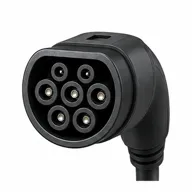
Voltage, current, earth and dedicated use
Confirm the selected destination standard
Match the exact vehicle inlet
A portable charger is useful only when its supply plug, protection and vehicle connector all match the job.
For the first shortlist, send the destination country, a clear outlet photo, the outlet rating, vehicle model and inlet photo. That prevents a visually similar plug or connector from becoming an expensive compatibility mistake.
- 01
Match the wall outlet and available circuit.
- 02
Match the vehicle inlet and accepted AC charging limit.
- 03
Confirm protection, cable length and operating environment in the quote.
Build the shortlist in the same order electricity reaches the car.
Supply first, protection second, vehicle connector third.
- 01
Photograph the outlet
Record the country, plug face, label, voltage, current and whether the circuit is dedicated to EV charging.
- 02
Confirm control and protection
Review the in-cable control device, residual-current behavior, plug-temperature monitoring and destination requirements for the selected configuration.
- 03
Match the vehicle
Confirm the inlet type, onboard AC charging limit and required cable reach on the exact vehicle.
The box on the cable is the safety and communication control—not a cosmetic adapter.
Protection and control built into the cable
It monitors the charging connection and can interrupt the circuit when defined fault conditions occur.
The car decides how much AC power it can accept
A higher-rated portable unit does not force a vehicle to charge above the vehicle's own AC limit.
Every link in the chain must support the chosen current.
Do not use an ordinary travel adapter or extension lead as a substitute for a confirmed EV charging configuration.
Decide whether portable AC charging fits the operating routine.
Portability is valuable when the supply point and operating procedure are controlled.
Driver-carried backup cable
- Use case
- Occasional charging at a known, suitable outlet.
- Starting point
- Prioritize plug match, compact storage and clear current control.
- Confirm before quote
- Outlet condition, circuit protection and vehicle connector.
Fleet or workshop movement
- Use case
- The cable moves between controlled parking or service bays.
- Starting point
- Prioritize cable reach, handling, inspection routine and protected storage.
- Confirm before quote
- Approved outlets, duty cycle and site procedure.
Hotel or rental handover
- Use case
- Different drivers may use the equipment.
- Starting point
- Prioritize simple instructions and a fixed list of permitted outlets.
- Confirm before quote
- Vehicle mix, liability, local installation rules and user controls.
Choose the cable for the vehicles and destination market.
The supply plug and vehicle connector are two separate selections.
Common AC vehicle connectors
Confirm the actual vehicle inlet before fixing the cable.

Type 1
- Typical planning market
- North America / Japan
- Information to send
- Common on earlier North American and Japanese-market vehicles.
Type 2
- Typical planning market
- Europe / global
- Information to send
- Common European AC vehicle connector.
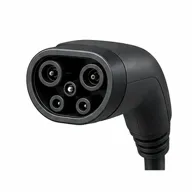
NACS AC
- Typical planning market
- North America
- Information to send
- North American project selection requiring exact vehicle and release review.
Ask for a complete chain, not a cable with two plugs.
The first quote should make the supply, control, vehicle connection and operating limits visible.
Supply plug and current setting
Destination-specific input Selected in quoteMatches the equipment to the actual outlet and avoids choosing from country name alone.

In-cable control and protection
Mode 2 control path Selected in quoteDefines the monitored charging path between the outlet and the vehicle.
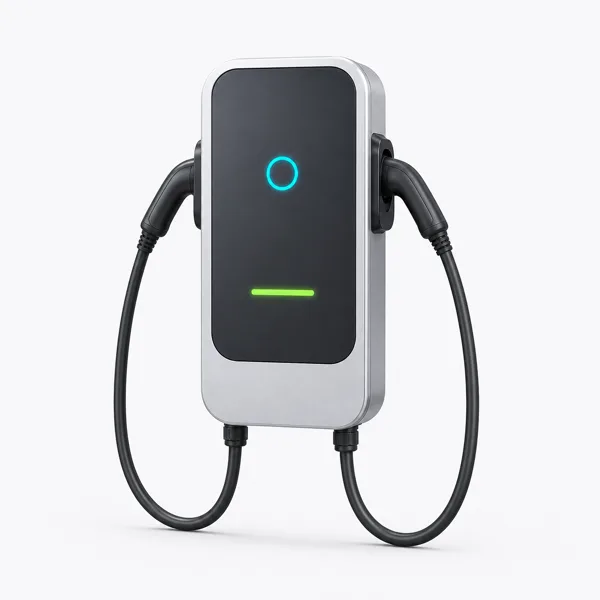
Vehicle connector and cable
Inlet match · reach · handling Connector referenceCompletes the physical and operating match for the vehicle being charged.
A photo-led request is faster than guessing plug names.
Use the first message to show the actual supply and vehicle.
- Destination country and installation or travel use
- Clear outlet photo plus voltage and current label
- Vehicle make, model, model year and inlet photo
- Preferred cable length and indoor or outdoor use
- Required quantity and target delivery date
What to check before buying
01 Can one portable charger work in every country? +
Do not assume that. Outlet systems, voltage, current, earthing, protection and local requirements differ. Select the input configuration for the actual destination.
02 Can I use a travel adapter or extension lead? +
An ordinary travel adapter or extension lead does not establish an EV charging installation. Confirm the approved supply arrangement and operating instructions for the project.
03 Will a higher current setting charge every vehicle faster? +
No. Charging is limited by the available circuit, equipment configuration and the vehicle's onboard AC charging capability.
04 What should be written into the quotation? +
Supply plug, voltage/current configuration, control and protection scope, vehicle connector, cable length, destination documents, quantity and delivery scope.
Charging and in-cable protection references
Show us the outlet and the vehicle inlet.
Add the destination, quantity and target date. That is enough to start a compatible portable charging shortlist.